
Lighting Measurements – An In-depth Guide Part 1
When retrofitting your LEDs, lightbulbs have various illuminance. Theres different ways to measure the lighting of…


Facility maintenance decisions directly affect operating costs, equipment reliability, occupant safety, and building performance. While delaying repairs may seem like a way to control short-term budgets, it often creates larger maintenance backlogs and more expensive problems over time.
Deferred maintenance is the practice of postponing scheduled maintenance, repairs, or equipment replacement because of budget constraints, staffing limitations, or competing priorities.
Not every delayed repair qualifies as deferred maintenance. The term specifically refers to maintenance activities that should have been completed to maintain safe, reliable, and efficient building operations but were intentionally delayed.
Deferred maintenance can affect nearly every major building system, including HVAC equipment, electrical infrastructure, commercial lighting, emergency lighting, fire protection systems, and building automation systems (BAS). As maintenance is postponed, facilities often experience growing repair backlogs, declining equipment performance, higher energy consumption, and an increased likelihood of unexpected system failures.
Deferred maintenance increases operational risk because small maintenance issues become larger, more expensive repairs over time.
Commercial building systems are designed to receive routine service throughout their lifecycle. When maintenance is consistently delayed, HVAC systems lose efficiency, lighting systems experience more failures, electrical components deteriorate, roofing issues lead to water intrusion, and mechanical equipment experiences additional wear that shortens its useful life.
A common facility management rule of thumb is the 1:4 deferred maintenance ratio, which estimates that every $1 of maintenance postponed today can result in approximately $4 of future capital repair or replacement costs once problems escalate. While actual costs vary by facility and asset condition, the principle highlights how delayed maintenance compounds over time.
Common consequences include:
For many organizations, correcting years of accumulated deferred maintenance requires significantly more investment than maintaining assets through scheduled service and lifecycle planning.
The most effective long-term maintenance strategies focus on preventing failures instead of reacting to them.
Rather than allowing maintenance backlogs to grow, organizations can improve reliability through structured maintenance programs that prioritize asset health, lifecycle planning, and data-driven decision-making.
Preventive maintenance schedules inspections, servicing, cleaning, testing, and component replacement at planned intervals before equipment failures occur.
Routine preventive maintenance is especially valuable for commercial HVAC systems, electrical equipment, lighting systems, emergency lighting, generators, plumbing infrastructure, and fire protection equipment because these assets directly affect facility operations and occupant safety.
Benefits include:
Proactive facility management uses maintenance planning, asset condition monitoring, lifecycle forecasting, and performance data to guide maintenance decisions.
Many organizations support this strategy with a Computerized Maintenance Management System (CMMS), which helps facility managers schedule preventive maintenance, track asset history, monitor work orders, and analyze equipment performance throughout an asset’s lifecycle.
Instead of waiting for equipment to fail, facility teams evaluate asset condition and address issues before they affect operations. This approach helps organizations prioritize maintenance investments while reducing unexpected disruptions and extending the useful life of critical building systems.
Reducing deferred maintenance starts with identifying critical assets and establishing a consistent maintenance plan.
Commercial maintenance best practices include:
Organizations that consistently invest in planned maintenance are better positioned to improve equipment reliability, reduce operating costs, minimize downtime, and extend the lifecycle of commercial building assets.
What is the best alternative to deferred maintenance?
The best alternative to deferred maintenance is a proactive maintenance strategy that combines preventive maintenance, routine inspections, asset tracking, and long-term capital planning. Addressing maintenance needs before equipment fails helps reduce repair costs, improve reliability, and extend asset life.
Can deferred maintenance affect energy efficiency?
Yes. Equipment that does not receive routine maintenance often operates less efficiently, consuming more energy while delivering lower performance. Dirty HVAC systems, aging lighting, and poorly maintained mechanical equipment can all increase utility costs.
Which building systems should never have maintenance delayed?
Life safety systems, HVAC equipment, electrical infrastructure, emergency lighting, fire protection systems, roofing, and plumbing should receive routine maintenance because failures can disrupt operations, create safety hazards, or result in expensive emergency repairs.
How does preventive maintenance help control maintenance budgets?
Preventive maintenance spreads maintenance costs over time by reducing emergency repairs, extending equipment life, and allowing organizations to plan for repairs and replacements instead of responding to unexpected failures.
What is the difference between preventive maintenance and predictive maintenance?
Preventive maintenance follows a scheduled service plan based on time or usage intervals. Predictive maintenance uses equipment condition and performance data to determine when maintenance should be performed, helping organizations optimize service schedules and reduce unnecessary work.
Replacing deferred maintenance with preventive maintenance and proactive facility management creates a more reliable, cost-effective approach to maintaining commercial facilities. By investing in routine maintenance, leveraging lifecycle planning and CMMS data, and addressing issues before they escalate, facility managers can reduce operating costs, improve equipment reliability, extend asset life, and support long-term building performance.
Maintaining a commercial facility is about more than fixing problems as they arise—it’s about preventing them. By replacing deferred maintenance with preventive maintenance and proactive facility management, organizations can reduce costs, improve equipment reliability, and extend the life of critical building systems while supporting long-term operational performance.
Click here to read the full article, originally published by Facilities Net.

When retrofitting your LEDs, lightbulbs have various illuminance. Theres different ways to measure the lighting of…
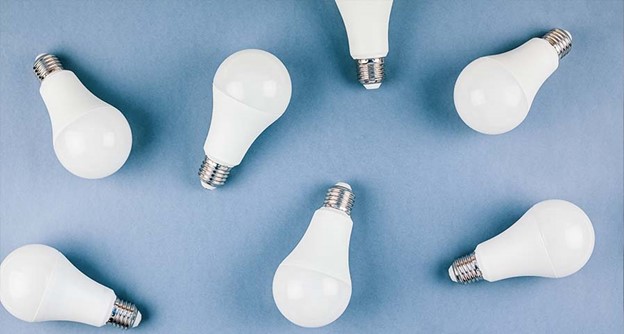
Understanding light measurements, luminance and foot-candle can help when choosing the perfect bulb for you next…
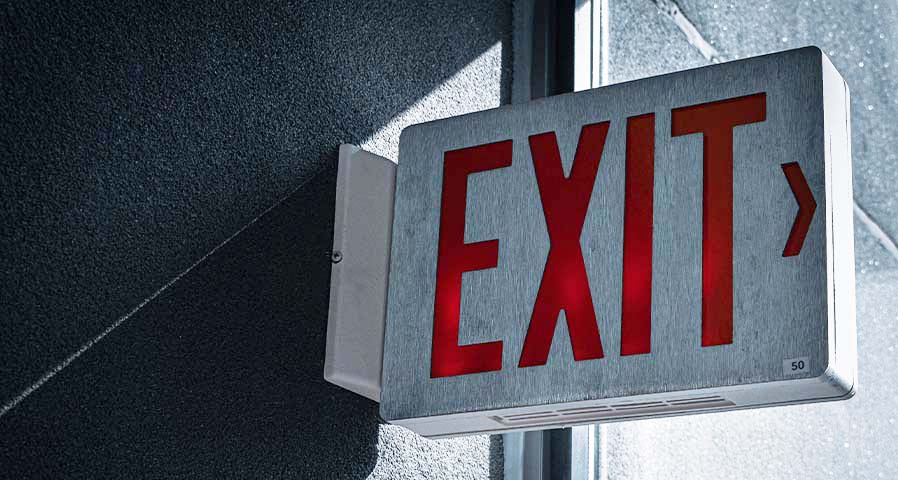
Exit signs and emergency lighting need to be in accordance with the NFPA, OSHA, and other…
When retrofitting your LEDs, lightbulbs have various illuminance. Theres different ways to measure the lighting of your next retrofit.
Understanding light measurements, luminance and foot-candle can help when choosing the perfect bulb for you next retrofit.
Exit signs and emergency lighting need to be in accordance with the NFPA, OSHA, and other state or local ordinances.