

Lighting Measurements – An In-depth Guide Part 1
When retrofitting your LEDs, lightbulbs have various illuminance. Theres different ways to measure the lighting of…


Digital signage has become a critical communication platform for retailers, healthcare facilities, corporate campuses, transportation hubs, restaurants, and other commercial environments. As more displays rely on cloud-based content management systems (CMS), remote access, and connected media players, cybersecurity has become just as important as content management.
Cybercriminals increasingly target internet-connected devices, making digital signage cybersecurity essential for protecting business operations, brand reputation, and customer trust. By understanding common digital signage threats, implementing proven security practices, and preparing an incident response plan, organizations can significantly reduce risk and improve system reliability.
Digital signage cybersecurity protects displays, media players, content management systems, and supporting network infrastructure from unauthorized access, malware, ransomware, and service disruptions.
As digital signage becomes another connected endpoint on the corporate network, it faces many of the same cybersecurity risks as other Internet of Things (IoT) devices. Automated attacks against connected devices continue to increase, with cybersecurity researchers reporting more than 820,000 automated attacks targeting internet-connected devices every day. This highlights the importance of securing every component of a digital signage deployment—not just the display itself.
Common digital signage threats include:
| Threat | Potential Impact | Best Practice |
| Unauthorized remote access | Content manipulation or unauthorized control | Multi-factor authentication and strong password policies |
| Malware or ransomware | Display outages and encrypted systems | Endpoint protection, software updates, and secure backups |
| Unpatched software | Exploited security vulnerabilities | Routine firmware and operating system updates |
| Unsecured network connections | Network intrusion and intercepted traffic | Network segmentation, VPNs, and firewalls |
| Weak administrator credentials | Unauthorized system access | Role-based permissions and password management |
| Hardware failures | Display downtime and service interruptions | Commercial-grade hardware and preventive maintenance |
Yes. Digital signage can be hacked if connected devices, media players, or content management systems are left unsecured.
Common attack methods include:
Connected displays should be treated like any other business-critical endpoint because attackers often target the supporting infrastructure rather than the screen itself.
Effective digital signage cybersecurity requires a layered approach that protects hardware, connectivity, software, and ongoing maintenance.
Commercial-grade digital signage equipment provides greater reliability and security than consumer-grade devices designed for occasional use.
Organizations should:
A secure network is one of the most effective defenses against cyber threats.
Organizations should:
These practices are especially important because cybersecurity research estimates that 98% of IoT device traffic is transmitted without encryption, exposing credentials, commands, and communications when devices operate on poorly secured networks. Proper digital signage network security helps prevent attackers from intercepting traffic or using signage devices as entry points into larger business networks.
The digital signage CMS serves as the central management platform for many organizations and should be protected accordingly.
Best practices include:
Cybersecurity depends on continuous maintenance—not one-time configuration.
Organizations should routinely:
Industry studies show that 96% of organizations experienced at least one major IT outage over three years, and 51% of those outages were considered preventable through proper configuration, patching, and maintenance. Preventive maintenance reduces both cybersecurity risks and operational downtime.
Not every digital signage outage results from a cyberattack. Infrastructure failures, aging hardware, and poor maintenance remain common causes of disruption.
Typical digital signage failure points include:
Addressing these issues through preventive maintenance, software updates, and proactive monitoring improves overall system reliability while reducing security vulnerabilities.
A fast response can minimize downtime, reduce business disruption, and limit the spread of an attack.
Disconnect compromised displays or media players from the network immediately to contain the incident.
Collect system logs, screenshots, and event records before making major system changes. This information helps determine how the attack occurred.
Escalate the incident so security professionals can investigate, contain, and remediate the threat.
Change administrator passwords, revoke unauthorized accounts, and enable multi-factor authentication where available.
Update firmware, operating systems, and software to eliminate known security weaknesses before reconnecting devices.
Recover content and system configurations using verified backups once affected systems have been cleaned and validated.
Perform a post-incident review to identify the root cause, improve security controls, and reduce the likelihood of future attacks.
Responding quickly is critical because downtime carries real financial consequences. Industry research estimates that unplanned IT and operational outages cost organizations a median of $33,333 per minute, making preparation and rapid recovery just as important as prevention.
How do businesses protect digital signage from hackers?
Businesses protect digital signage by combining secure hardware, network segmentation, encrypted remote access, multi-factor authentication, regular software updates, continuous monitoring, and preventive maintenance.
What security features should commercial digital signage have?
Commercial digital signage should include encrypted communications, role-based user permissions, multi-factor authentication, remote monitoring, automatic software updates, activity logging, and centralized device management.
Should digital signage be on a separate network?
Yes. Network segmentation isolates digital signage from critical business systems, reducing the risk that a compromised display or media player can provide access to the broader corporate network.
Can ransomware affect digital signage systems?
Yes. Ransomware can target media players, content management systems, or connected infrastructure, preventing organizations from displaying content or remotely managing devices until systems are restored.
How often should digital signage systems be updated?
Firmware, operating systems, and content management software should be updated whenever verified security patches become available and reviewed regularly as part of a preventive maintenance program.
Digital signage has evolved into a connected business system that requires the same cybersecurity attention as any other networked technology. By securing hardware, strengthening digital signage network security, maintaining software, and following proven cybersecurity best practices, organizations can reduce digital signage threats, minimize downtime, and improve long-term system reliability. Preparing for potential incidents before they occur helps ensure displays remain secure, operational, and ready to deliver critical communications when they matter most.
Click here to read the full article, originally published March 21, 2025, by Digital Signage Today.

When retrofitting your LEDs, lightbulbs have various illuminance. Theres different ways to measure the lighting of…

Understanding light measurements, luminance and foot-candle can help when choosing the perfect bulb for you next…
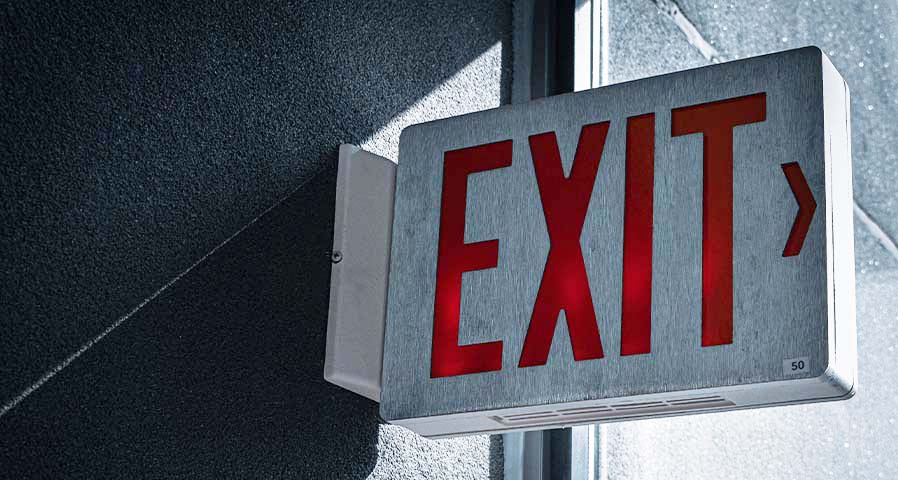
Exit signs and emergency lighting need to be in accordance with the NFPA, OSHA, and other…
When retrofitting your LEDs, lightbulbs have various illuminance. Theres different ways to measure the lighting of your next retrofit.
Understanding light measurements, luminance and foot-candle can help when choosing the perfect bulb for you next retrofit.
Exit signs and emergency lighting need to be in accordance with the NFPA, OSHA, and other state or local ordinances.