

Lighting Measurements – An In-depth Guide Part 1
When retrofitting your LEDs, lightbulbs have various illuminance. Theres different ways to measure the lighting of…

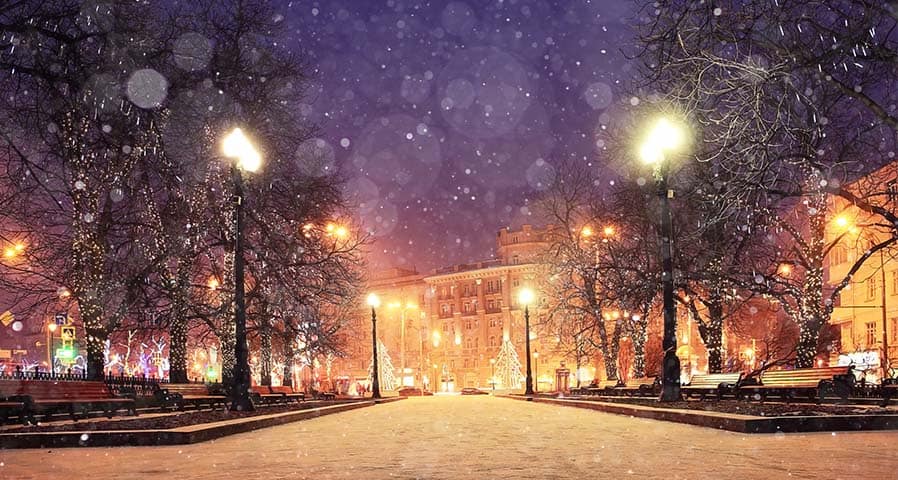
Extreme heat, freezing weather, and repeated freeze-thaw cycles can all shorten the useful life of exterior lighting systems. Heat strains LEDs and drivers. Cold can expose startup limits and brittle materials. As temperatures repeatedly rise and fall, fixtures expand and contract, putting pressure on seals and connections that keep moisture out.
The LED is only one part of the system. Reliable outdoor lighting also depends on the driver, controls, lens, housing, gaskets, and electrical connections being suited to the conditions at the installation site.
Extreme heat makes it harder for an exterior LED fixture to release the heat it produces. As the temperature at the LED junction rises, the LED can become less efficient and emit fewer lumens. Sustained heat can also accelerate lumen depreciation, causing light output to decline sooner over the fixture’s operating life.
LED thermal management is the way a fixture moves heat away from its light source and electronics, often through a heat sink or metal housing. Installation affects that process. Direct sun adds heat, while a confined mounting location may limit airflow around the fixture.
Drivers face their own thermal limits. Some commercial fixtures are rated for ambient temperatures up to 40°C (104°F); products designed for hotter locations may use drivers rated for 50°C to 65°C (122°F to 149°F). These are examples of published operating ranges, not interchangeable specifications: the rating of a driver alone does not establish the rating of the complete luminaire. Above its rated conditions, a driver may reduce output, shut off intermittently, or fail early.
Heat can also age lenses and gaskets. A discolored lens may change the amount or distribution of light, while a gasket that loses elasticity or compression can leave a path for water. The Illuminating Engineering Society cautions that LED light-source life projections do not establish the life of the complete fixture, because drivers, optics, and other parts have separate failure mechanisms.

It can. L70 refers to the time when an LED light source is projected to produce 70% of its initial light output. Where a specification also uses B50, an L70/B50 claim describes the point at which 50% of a defined product population is expected to have reached that L70 threshold. Higher LED junction temperatures can shorten the projected time to L70, so compare lifetime claims at the stated operating conditions. An L70/B50 figure does not promise that every driver, seal, or lens will remain functional for that many hours.
Freezing air generally helps an LED release heat, so cold weather does not automatically make the LED produce less light. Problems are more likely to arise elsewhere in the assembly. A driver or control device operating below its rated minimum may start slowly, behave unpredictably, or fail to start.
Low-temperature ratings vary by product. A driver may have a minimum operating or starting temperature of -20°C (-4°F), while a model intended for severe cold may be rated down to -40°C (-40°F). Check the manufacturer’s wording carefully: an operating rating and a cold-start rating may describe different conditions. The complete fixture, including any separate controls, must meet the site’s needs.
Cold also affects the physical assembly. A lens or gasket unsuitable for the temperature may become less able to withstand movement or maintain a seal. Snow and ice can block light from a working fixture, creating a visibility problem even when its electronics are functioning.
Fixture parts do not all move by the same amount when temperatures change. This difference is described by each material’s coefficient of thermal expansion (CTE). A polycarbonate or acrylic lens, a die-cast aluminum housing, and a silicone or EPDM gasket each respond differently to heating and cooling. Repeated movement places stress on the joints where those parts meet.
If a gasket loses compression or a hairline gap forms, water may enter the housing. Water expands by roughly 9% when it freezes. In a confined gap, that expansion can press on the surrounding material, widen an existing crack, or further disturb a seal. Once moisture reaches electrical connections, the driver, or the LED board, corrosion and intermittent failures can follow.
| Exposure | Parts most likely to show problems | Warning signs |
| Sustained summer heat | LEDs, drivers, lenses, gaskets | Dimming, discoloration, flickering, intermittent shutoffs |
| Freezing conditions | Drivers, controls, lenses, cable entries | Failure to start, cracked parts, ice blocking light |
| Repeated freeze-thaw cycles | Seals, housing joints, connections | Internal condensation, corrosion, recurring outages |
Internal condensation is an early visible sign that the housing needs attention. Wiping the lens only treats the symptom. A qualified technician should check the seals, cover, cable entries, and internal components to find the moisture path and assess any damage.
Build a More Resilient Exterior Lighting System
Exterior lighting systems face demanding conditions throughout the year, from extreme heat and freezing temperatures to changing weather and extended operating hours. As older lighting systems age, these conditions can contribute to declining performance, increased maintenance, and higher operating costs.
Explore our Next Gen LED Solutions to see how modern LED technology and advanced lighting controls can improve efficiency, performance, and control across your exterior lighting system, then connect with our lighting experts to discuss the needs of your facilities.
Start by comparing the manufacturer’s minimum and maximum ambient ratings for the complete luminaire with the temperatures at each mounting location. Account for direct sun, confined spaces, and the coldest expected startup conditions. Verify driver and control ratings separately when those components are specified or replaced.
Review the enclosure design as well as its IP rating. For sites with wide temperature swings, ask about gasket material and long-term seal performance. A suitably designed silicone gasket can retain flexibility across a wider temperature range than some standard neoprene formulations, but its grade, compression, and installation still determine how well it seals. EPDM and other materials may also be suitable when properly specified.
Some fixtures use protective ePTFE breather vents. As a fixture heats and cools, pressure inside the housing changes. A correctly selected vent lets air pass to equalize that pressure while resisting liquid water entry, reducing stress on the seals and the risk of condensation. Confirm the IP rating of the assembled fixture; adding a vent does not automatically preserve its original rating.
During seasonal maintenance, look for cracked lenses, loose covers, damaged cable entries, condensation, corrosion, and lights that flicker or fail to start. Track recurring problems by location. Repeated failures on one sun-exposed wall or in one freeze-prone area may indicate that the installed fixture is poorly matched to that location.
Do LED lights work in extreme temperatures?
Yes, LED fixtures can operate in extreme temperatures when the complete luminaire assembly, including its driver and controls, is rated for the site’s ambient range. Check both its hot-weather operating limit and its cold-start requirements.
Can extreme heat damage outdoor LED lights?
Yes, sustained heat above a fixture’s rated conditions can reduce light output and accelerate component wear. Drivers, lenses, and seals may fail before the LEDs reach their projected L70 life.
Can freezing temperatures damage LED lights?
Yes, freezing conditions can damage unsuitable fixture materials or prevent an underrated driver from starting. The LED light source itself is often less vulnerable to cold than the other components around it.
Does an IP65 rating mean a fixture is suitable for freeze-thaw conditions?
No, an IP65 rating does not establish a fixture’s temperature limits or long-term resistance to freeze-thaw cycles. Review its operating ratings, seal design, and materials alongside its dust and water protection.
A fixture that performs well in one location may face very different temperatures, sun exposure, and moisture at another. Check the full luminaire specification, inspect seals and connections, and investigate early signs of moisture intrusion before outages spread.
Action Services Group can help assess exterior lighting problems and plan repairs or upgrades across your property. Contact us at 610-558-9773, email [email protected], or schedule a consultation tailored to your facility needs.
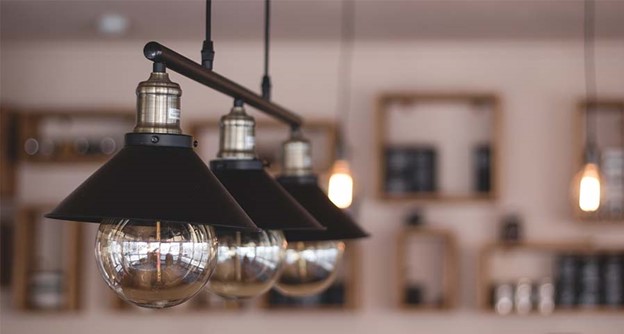
When retrofitting your LEDs, lightbulbs have various illuminance. Theres different ways to measure the lighting of…
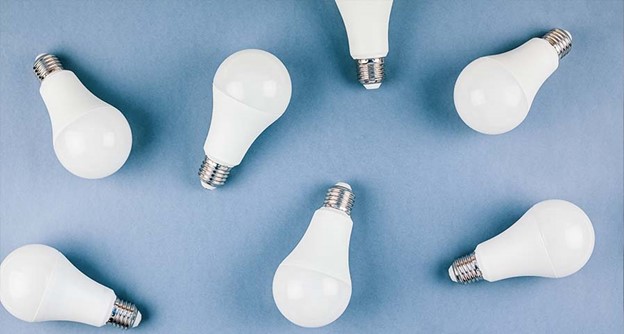
Understanding light measurements, luminance and foot-candle can help when choosing the perfect bulb for you next…
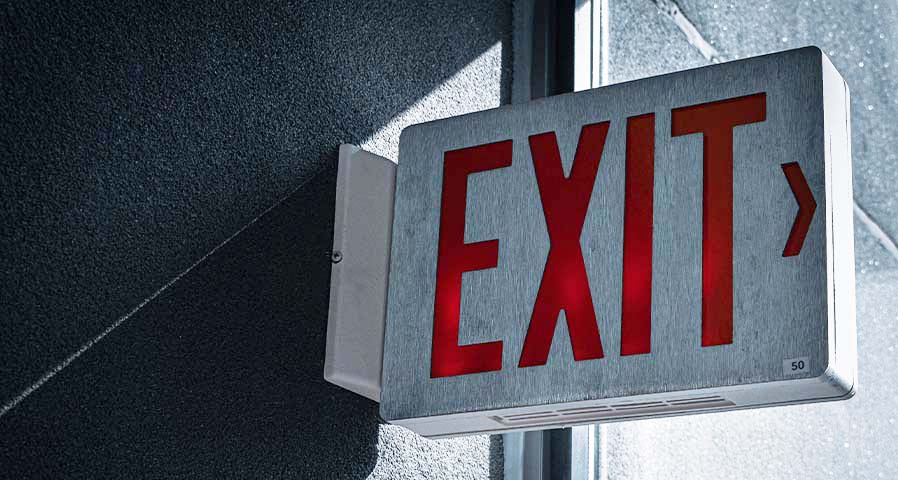
Exit signs and emergency lighting need to be in accordance with the NFPA, OSHA, and other…
When retrofitting your LEDs, lightbulbs have various illuminance. Theres different ways to measure the lighting of your next retrofit.
Understanding light measurements, luminance and foot-candle can help when choosing the perfect bulb for you next retrofit.
Exit signs and emergency lighting need to be in accordance with the NFPA, OSHA, and other state or local ordinances.