

Lighting Measurements – An In-depth Guide Part 1
When retrofitting your LEDs, lightbulbs have various illuminance. Theres different ways to measure the lighting of…


LED lighting is designed to provide decades of reliable operation, but maintaining light output is only part of the performance equation. Over time, some fixtures experience LED color shift, a gradual change in color appearance caused by aging components, thermal stress, and material degradation.
While a fixture may continue producing adequate light levels, noticeable color differences can affect visual comfort, facility appearance, and lighting uniformity. In many cases, LED color degradation becomes visible long before a fixture reaches the end of its rated lifespan.
Understanding what causes LED color shift, and how manufacturers design against it, can help facility managers, engineers, and lighting professionals make better purchasing decisions.
What should businesses know about LED color shift?
LED color shift refers to a change in the chromaticity, or color appearance, of an LED light source over time.
Most white LEDs are created by combining a blue LED chip with phosphor materials that convert part of the blue light into white light. As the LED ages, changes in the phosphor, package materials, optics, or other components can alter this balance and produce visible shifts in color.
The result may be a fixture that appears more yellow, blue, green, or red than it did when originally installed. In facilities with hundreds of fixtures, even small color shifts can become noticeable, creating an inconsistent appearance. According to research from the LED Systems Reliability Consortium, color shift is one of the primary forms of LED parametric degradation alongside lumen depreciation.
Although they are often used interchangeably, color stability and color consistency describe two different aspects of LED performance.
Color stability refers to a fixture’s ability to maintain the same color appearance throughout its operational life.
Color consistency refers to how closely fixtures match one another when they leave the factory.
Manufacturers commonly use Standard Deviation of Color Matching (SDCM), also known as MacAdam Ellipses, to quantify color consistency. Lower SDCM values indicate tighter color control.
| MacAdam Ellipse Rating | Typical Visual Appearance |
| 1–3 Step SDCM | Virtually indistinguishable color variation |
| 3–5 Step SDCM | Slight variation, typically acceptable for commercial applications |
| 5–7 Step SDCM | Noticeable variation under close observation |
For premium commercial projects, many lighting designers prefer fixtures with a 3-step MacAdam Ellipse tolerance to maintain a uniform appearance across large installations.

Several degradation mechanisms can contribute to LED color degradation. The specific direction and severity of color shift often depend on the materials used within the LED package and fixture design.
In some cases, LED color shift is simply a sign that a fixture is approaching the end of its useful life.
As LEDs accumulate tens of thousands of operating hours, multiple components begin to age simultaneously. Phosphors lose efficiency, optical materials discolor, encapsulants degrade, and package materials experience thermal stress. These combined effects can accelerate color changes, making fixtures appear noticeably different from their original color temperature.
This is one reason why LED color degradation is often considered a form of parametric failure. Unlike traditional lamps that typically fail abruptly, LEDs often continue operating while gradually exhibiting reduced lumen output, diminished color quality, and increasing chromaticity shift. In many installations, visible color shift becomes one of the earliest indicators that a fixture is nearing replacement age.
Phosphors convert blue LED light into white light.
Over time, phosphors can experience oxidation, reduced quantum efficiency, chemical changes, and thermal degradation. As phosphor performance changes, the ratio of blue to converted light shifts, altering the fixture’s color appearance.
Research from the LED Systems Reliability Consortium identifies phosphor degradation as one of the most common contributors to long-term chromaticity shift.
Heat remains one of the most significant drivers of LED color degradation.
Elevated operating temperatures accelerate degradation in phosphors, encapsulants, plastics, lenses, and optical materials. High temperatures can also increase the likelihood of cracking, delamination, oxidation, and discoloration within the LED package.
Poor thermal management often results in:
This is why high-quality heat sinks and proper fixture thermal design remain critical to long-term LED performance.
Restore Lighting Performance with a Modern LED Upgrade
LED color shift is often a sign that your lighting system is aging or no longer delivering the performance your facility requires. Upgrading to today’s advanced LED technology can improve color consistency, light quality, energy efficiency, and long-term reliability while reducing maintenance costs.
Visit our Next Gen Solutions page to learn how Action Services Group delivers turn-key LED upgrades, from lighting assessments and product selection to installation, project management, and rebate recovery.
When you’re ready, schedule a call with our lighting experts to evaluate your existing lighting system and determine the best solution for restoring consistent, high-quality illumination.
👉 Explore Next Gen LED Solutions
👉 Schedule a Call with Our Lighting Experts
The materials used to construct an LED package can have a major impact on color stability.
One example is polyphthalamide (PPA), a thermoplastic resin commonly used in older mid-power LED packages. Under prolonged heat exposure, PPA materials can discolor, crack, or delaminate, contributing to both lumen depreciation and chromaticity shift.
Newer LED packages increasingly use epoxy molding compound (EMC), which offers improved resistance to thermal degradation and higher operating temperatures. EMC-based packages typically demonstrate better long-term performance than traditional PPA designs.
High-power LEDs often utilize ceramic substrates, which provide superior heat dissipation and enhanced resistance to material degradation compared to many plastic-based alternatives.
Color shift can also originate outside the LED package itself.
Lenses, diffusers, reflectors, silicones, and encapsulants may be yellow or discolor over time due to heat and environmental exposure. These optical changes alter how light is transmitted through the fixture, creating visible shifts in color temperature and appearance.
One of the more interesting aspects of LED color degradation is that fixtures do not all shift in the same direction.
The LED Systems Reliability Consortium identified several mechanisms of chromaticity shift that can cause LEDs to drift toward different color regions.
| Shift Direction | Common Root Causes |
| Blue Shift | Phosphor efficiency loss, oxidation of package materials, phosphor settling |
| Yellow Shift | Lens discoloration, reflector oxidation, phosphor cracking or delamination |
| Green Shift | Phosphor oxidation and spectral changes |
| Red Shift | Changes in red emitters or reduced green phosphor output |
This explains why some facilities report yellowing LEDs while others observe blue, purple, or green-tinted fixtures.
While there is currently no universal standard that defines an acceptable amount of LED color shift, several industry testing methods help evaluate long-term performance.
LM-80 is the Illuminating Engineering Society (IES) standard used to measure lumen maintenance and chromaticity changes in LED packages over time. It provides real-world performance data gathered under controlled operating conditions.
TM-21 uses LM-80 test data to project long-term lumen maintenance and estimate fixture lifespan. While TM-21 focuses primarily on lumen depreciation, it remains an important indicator of overall LED package reliability.
When evaluating LED products, reviewing LM-80 reports and TM-21 projections can provide valuable insight into the quality of the LED package and its expected long-term performance.
When selecting commercial LED fixtures, organizations should evaluate more than just energy savings.
Look for products that offer:
While low-cost fixtures may reduce upfront costs, they often increase the risk of premature color shift and inconsistent lighting performance.
Why are my LED lights changing color?
LED lights typically change color because of phosphor degradation, heat exposure, aging optical components, or deterioration of materials within the LED package. These changes alter the fixture’s spectral output over time.
Why do some LED lights look different than others?
Differences in manufacturing tolerances, SDCM binning, operating temperatures, and aging rates can cause fixtures to appear different even if they started with the same color temperature.
Why are my LED lights turning yellow?
Yellowing LEDs are commonly caused by phosphor layer degradation, lens discoloration, reflector oxidation, or cracking and delamination within the LED package.
Why do LED fixtures change color over time?
LED fixtures change color because materials inside the system gradually age. Heat, oxidation, phosphor degradation, and discoloration of optical components all contribute to LED color degradation.
Does LED color shift mean the fixture is failing?
Not necessarily. A fixture can continue producing adequate light while exhibiting a noticeable color shift. However, significant color changes often indicate ongoing material degradation within the fixture.
Can LED color shift be prevented?
Color shift cannot be eliminated, but it can be minimized through high-quality packaging materials, effective thermal management, tight color binning, and proper fixture design.
LED color shift is one of the most important yet often overlooked aspects of long-term lighting performance. While energy efficiency and lumen output typically receive the most attention, factors such as phosphor degradation, thermal management, package materials, and optical component aging can significantly impact how a lighting system looks and performs over time.
By understanding what causes LED color degradation and evaluating specifications such as LM-80 testing, TM-21 projections, SDCM tolerances, and package construction materials, facility managers can make more informed lighting decisions and avoid costly maintenance issues down the road.
If you’re planning an LED retrofit, lighting upgrade, or fixture replacement project, Action Services Group can help. Our team works with businesses nationwide to evaluate existing lighting systems, identify high-quality LED solutions, and implement lighting upgrades designed for long-term performance, energy savings, and visual consistency. Contact Action Services Group to learn how the right lighting products and installation strategies can help protect your investment for years to come, call 610-558-9773 or email [email protected] or schedule a call.
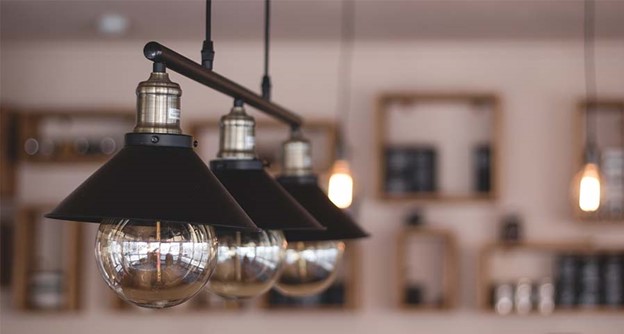
When retrofitting your LEDs, lightbulbs have various illuminance. Theres different ways to measure the lighting of…
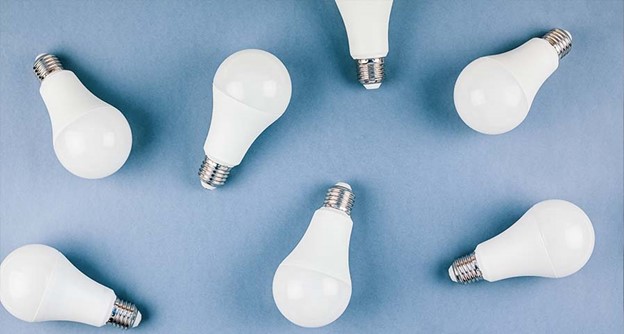
Understanding light measurements, luminance and foot-candle can help when choosing the perfect bulb for you next…

Exit signs and emergency lighting need to be in accordance with the NFPA, OSHA, and other…
When retrofitting your LEDs, lightbulbs have various illuminance. Theres different ways to measure the lighting of your next retrofit.
Understanding light measurements, luminance and foot-candle can help when choosing the perfect bulb for you next retrofit.
Exit signs and emergency lighting need to be in accordance with the NFPA, OSHA, and other state or local ordinances.