

Lighting Measurements – An In-depth Guide Part 1
When retrofitting your LEDs, lightbulbs have various illuminance. Theres different ways to measure the lighting of…

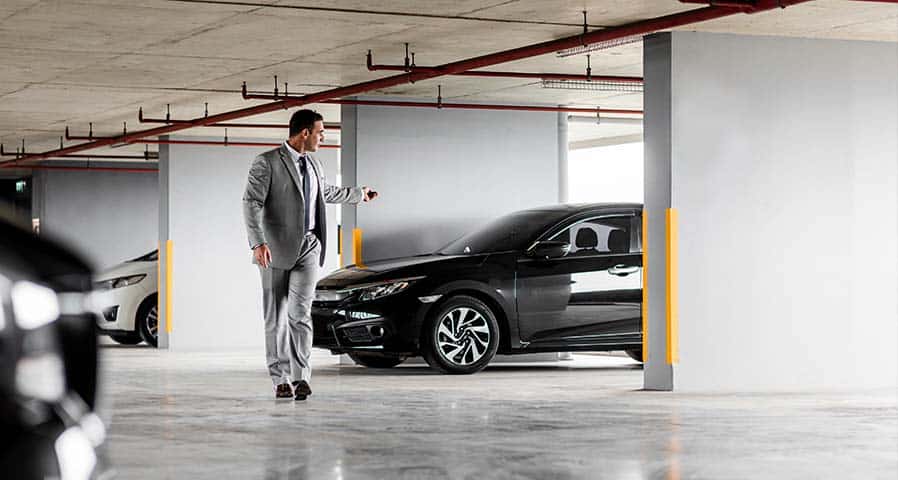
A parking garage lighting retrofit upgrades outdated fixtures with LED technology to reduce electricity use, lower maintenance costs, and improve visibility. Commercial garages with long operating hours can benefit significantly, especially when the project pairs efficient fixtures with modern lighting controls.
Planning should consider Illuminating Engineering Society (IES) recommendations and DesignLights Consortium (DLC) product qualifications. IES RP-20 historically addressed parking facility lighting; newer guidance is incorporated into IES RP-8, Lighting Roadway and Parking Facilities. DLC qualifications help identify efficient products and support eligibility for many utility rebates.
This guide focuses on retrofit benefits and financial considerations. Part 2 will examine parking garage lighting specifications and standards in detail.
A parking garage lighting retrofit improves an existing lighting system while retaining suitable electrical infrastructure where practical. Projects may use LED lamps, approved retrofit kits, complete fixture replacement, or a combination.
A fluorescent-to-LED parking garage conversion may replace fluorescent tubes or entire linear fixtures. An HID-to-LED parking garage conversion replaces metal halide or high-pressure sodium lighting with LED equipment selected for the garage’s layout.
Housing condition matters. Cracked lenses, corrosion, moisture intrusion, or unsuitable optics can make replacing the entire fixture more practical than reusing aging equipment.
Calculate the Savings Potential of Your Parking Garage LED Retrofit
Upgrading parking garage lighting to LED can deliver significant benefits, from reduced energy consumption and maintenance costs to improved visibility and long-term lighting performance. Understanding the potential financial return is an important part of planning a successful retrofit, especially for parking facilities with extensive lighting systems and long operating hours.
Explore our Calculating Your Savings and ROI series, starting with our guide to calculating lighting-only energy savings in an LED retrofit. Learn how to evaluate potential energy cost reductions and build a stronger business case for your lighting upgrade. Then, connect with our lighting experts to discuss the savings opportunities available for your parking garage or commercial property.
👉 Read: Calculating Your Lighting Only Energy Savings in an LED Retrofit
LED fixtures can provide the required illumination using less electricity than many legacy systems. Long operating schedules increase the value of each watt eliminated: lighting runs continuously, 8,760 hours annually.
Calculate savings using total fixture input wattage, including ballast consumption, rather than lamp wattage alone. Fixture efficiency, operating hours, and controls determine the final reduction.
LED upgrades reduce the need for recurring fluorescent or HID lamp replacements. Complete fixtures and suitable retrofit kits also eliminate legacy ballasts.
These reductions matter when maintenance requires lifts, traffic restrictions, or temporary parking closures. Standardizing equipment simplifies spare-part inventory and troubleshooting.
LED systems still require periodic attention. Drivers, sensors, emergency components, lenses, and seals can deteriorate, especially in demanding garage environments.
Well-designed LED lighting helps users distinguish pedestrians, vehicles, signs, curbs, and obstacles. LEDs also provide immediate illumination without the warm-up and restrike delays associated with many HID systems.
Common garage lighting options include a color rendering index (CRI) of 70–80 or higher and correlated color temperatures (CCT) around 4000K–5000K. CRI describes how accurately colors appear; CCT describes whether white light looks warmer or cooler.
An 80+ CRI can support better color recognition than high-pressure sodium lighting. For security cameras and license-plate visibility, adequate illumination, glare control, camera positioning, and exposure settings also matter. CRI alone does not guarantee clear footage.
LED lighting can reduce dark spots when fixture placement and optics address structural obstacles. A one-for-one replacement may leave shadows behind columns or between parking rows unresolved.
Lighting uniformity describes how evenly illumination is distributed. Large differences between bright and dark areas can make obstacles less noticeable as drivers move through the garage.
A photometric plan predicts coverage from proposed fixtures, helping identify where different optics, repositioned fixtures, or additional lighting are needed. Better visibility supports safer navigation, although lighting alone cannot guarantee fewer accidents or security incidents.

Unconditioned garages can expose fixtures to moisture, exhaust residue, airborne salts, cleaning water, and temperature swings.
Use luminaires listed for the installation conditions, including UL wet-location suitability where water can drip, splash, or flow against equipment. IP65/IP66 ratings provide additional information about dust and water ingress protection; they do not replace required safety listings.
For retrofit kits, verify that the completed fixture retains appropriate environmental suitability. Pressure washing and corrosive exposure may require additional protection, such as suitable corrosion-resistant materials or NEMA 4X-rated enclosures where applicable.
Savings depend on the existing technology and proposed system. Consider this illustrative comparison:
| Calculation input or result | Existing metal halide/HID system | Proposed LED system |
| Fixture quantity | 120 | 120 |
| Total input wattage per fixture | 175 W, including ballast | 60 W |
| Annual operating hours | 6,000 | 6,000 |
| Annual electricity use | 126,000 kWh | 43,200 kWh |
| Annual energy cost at $0.15/kWh | $18,900 | $6,480 |
Here, 175 W represents hypothetical total HID fixture input, not a 175 W lamp plus additional ballast consumption.
The example reduces lighting electricity use by approximately 66% and saves $12,420 annually before controls or maintenance savings.
Annual energy use = Fixture quantity × Input wattage ÷ 1,000 × Annual operating hours.
Actual projects require measured baseline conditions and confirmation that proposed fixtures deliver suitable lighting performance.
Occupancy sensors can raise output when vehicles or pedestrians enter a zone, then return lighting to an appropriate background level. Daylight-responsive controls reduce electric lighting near open sides and entrances when natural light is sufficient. Networked systems support remote scheduling, monitoring, and adjustments.
The Department of Energy’s parking lighting controls research documented additional savings ranging from virtually none to 76% beyond the initial LED conversion. This broad range shows why savings estimates must account for traffic patterns, sensor coverage, dimming levels, and how long lighting stays on after activity.
Additional controls savings apply to the remaining LED energy use. A 30% controls reduction should not simply be added to a 66% fixture reduction. Drivers and controls must also remain compatible and preserve required illumination and emergency operation.
Parking garage lighting ROI compares the investment with its financial benefits. Simple payback measures how long savings take to recover project costs.
Simple payback = Net installed project cost ÷ Annual energy and maintenance savings.
Using the example above, assume a $36,000 net installed cost and $1,800 in annual maintenance savings. Combined savings total $14,220, producing approximately a 2.5-year simple payback and 39.5% annual simple ROI.
Many commercial lighting rebate programs require the exact fixture or retrofit-kit model to appear on the DLC Qualified Products List. Prescriptive rebates generally follow defined equipment categories, while custom incentives evaluate project-specific savings. Requirements vary, and DLC listing alone does not guarantee approval.
Confirm eligibility, documentation, and preapproval requirements before purchasing equipment. Include controls, electrical modifications, disposal, and commissioning in the project budget.
Transform Your Parking Garage Lighting with an LED Retrofit
Parking garages require reliable, efficient lighting to support visibility, safety, and daily operations. Aging or outdated lighting systems can contribute to higher energy consumption, frequent maintenance, and inconsistent illumination throughout parking areas. A strategically planned LED retrofit can help improve lighting quality, reduce operating expenses, and deliver measurable long-term savings for commercial property owners and facility managers.
Explore our LED Retrofit Solutions to see how Action Services Group helps commercial facilities upgrade outdated lighting systems with energy-efficient LED technology, from initial evaluation and product selection through installation and project completion. Then, connect with our lighting experts to discuss your parking garage lighting needs and identify opportunities to improve performance while maximizing your return on investment.
Evaluate replacement when frequent failures, declining output, moisture damage, uneven lighting, or high operating costs become recurring problems.
Begin with an audit of fixture quantities, input wattages, operating hours, maintenance history, and dark areas. Develop the lighting design, select compatible equipment, and plan installation by floor or section. Commissioning should verify coverage, sensor response, dimming, and emergency operation.
Can a parking garage remain open during a lighting retrofit?
Often, yes. Phased work can preserve access while crews operate in designated sections. Temporary closures and traffic routing should maintain safe access and adequate lighting.
Does a parking garage LED retrofit require new wiring throughout?
Not necessarily. Qualified electrical professionals should assess whether existing wiring, circuits, junction boxes, and mounting points remain suitable.
How should removed fluorescent and HID lamps be handled?
Many contain mercury and require appropriate recycling or disposal. Include lamp handling and applicable local requirements in the installation scope.
Turnkey parking garage LED retrofit services connect project planning, fixture procurement, installation, controls integration, and ongoing lighting maintenance. A coordinated provider can manage practical hurdles such as maintaining traffic flow, scheduling temporary closures, and arranging proper lamp disposal.
Action Services Group’s turnkey LED retrofit services help commercial property teams evaluate existing systems and implement coordinated lighting upgrades. Schedule a project review to assess your garage’s energy use, maintenance costs, and opportunities for improvement. Contact us at 610-558-9773, email [email protected], or schedule a consultation tailored to your facility needs.

When retrofitting your LEDs, lightbulbs have various illuminance. Theres different ways to measure the lighting of…
Understanding light measurements, luminance and foot-candle can help when choosing the perfect bulb for you next…
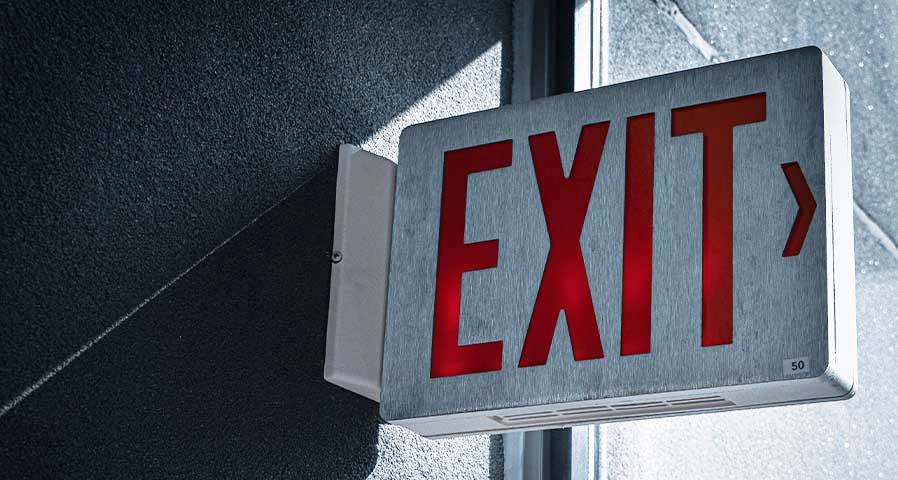
Exit signs and emergency lighting need to be in accordance with the NFPA, OSHA, and other…
When retrofitting your LEDs, lightbulbs have various illuminance. Theres different ways to measure the lighting of your next retrofit.
Understanding light measurements, luminance and foot-candle can help when choosing the perfect bulb for you next retrofit.
Exit signs and emergency lighting need to be in accordance with the NFPA, OSHA, and other state or local ordinances.