

Lighting Measurements – An In-depth Guide Part 1
When retrofitting your LEDs, lightbulbs have various illuminance. Theres different ways to measure the lighting of…

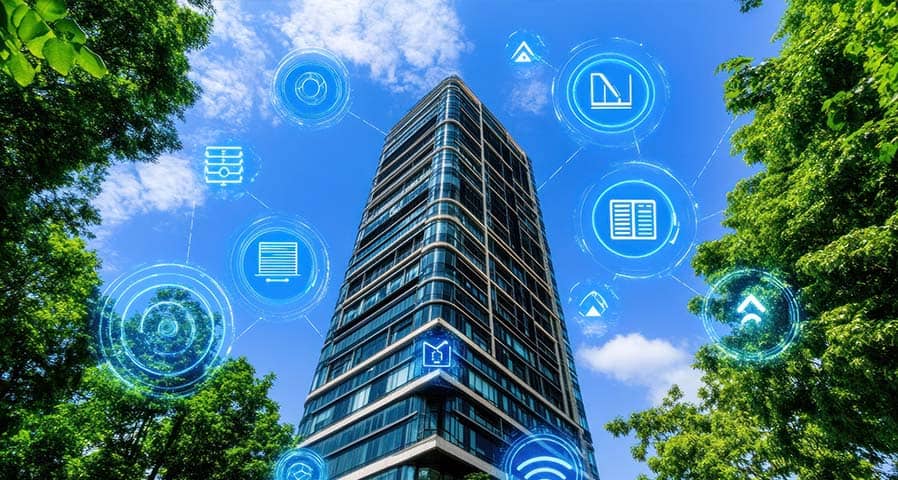
Smart grids are transforming how commercial buildings manage energy by combining real-time data, automation, and intelligent controls. These systems help businesses reduce energy costs, improve reliability, and integrate renewable energy more effectively.
What are the key benefits of smart grids for commercial properties?
A smart grid is a digitalized energy network that uses real-time data, sensors, and automation to optimize the generation, distribution, and consumption of electricity.
It enables two-way communication between utilities and buildings, allowing businesses to monitor usage, adjust demand, and improve efficiency instantly. Unlike traditional systems, smart grids continuously analyze performance and respond to changes in real time.
Smart grid systems rely on:
Smart grids differ from traditional grids by enabling real-time communication, automation, and data-driven energy management, thereby improving efficiency and reliability.
| Feature | Traditional Grid | Smart Grid | Business Impact |
| Communication | One-way (utility → user) | Two-way (real-time data exchange) | Enables proactive energy management instead of reactive billing |
| Visibility | Monthly usage only | Real-time monitoring | Identifies inefficiencies and reduces energy waste |
| Outage Response | Manual detection | Automated fault detection | Minimizes downtime and operational disruption |
| Energy Optimization | Limited | Data-driven optimization | Lowers utility costs and improves system performance |
| Renewable Integration | Challenging | Seamless integration | Supports solar, storage, and sustainability goals |
This transition allows businesses to shift from reactive energy tracking to a proactive energy strategy.
Smart grids improve energy efficiency, reduce operating costs, and increase system reliability for commercial properties.
As of 2026, more than 70% of U.S. commercial buildings have access to smart meters or grid-enabled infrastructure, accelerating the adoption of real-time energy management.
For large commercial facilities, these benefits translate into measurable cost savings and improved building performance.

Smart grids are powered by advanced digital technologies that enable automation, monitoring, and real-time decision-making.
| Technology | Function | Business Impact |
| Advanced Metering Infrastructure (AMI) | Tracks real-time energy usage | Improves visibility and cost control |
| Artificial Intelligence (AI) | Forecasts demand and detects inefficiencies | Reduces energy waste and operational risk |
| IoT Sensors | Monitors system performance | Identifies issues before failure |
| Distributed Energy Resources (DERs) | Enables local energy generation | Reduces reliance on utilities |
| Automation Systems | Self-healing grid response | Minimizes downtime |
Together, these technologies create a more resilient and responsive energy network.
Smart grid adoption involves financial, technical, and operational challenges, but each can be addressed with the right strategy.
Businesses that proactively plan for these challenges can accelerate adoption and maximize ROI.
Smart grids provide real-time visibility into energy usage, enabling facility managers to make faster, more informed decisions.
By integrating with building systems such as LED lighting, HVAC, and controls, smart grids help identify inefficiencies like:
This insight allows businesses to reduce energy consumption, improve operational efficiency, and lower utility expenses.
Prepare Your Facility for the Smart Grid Future
Smart grid technology is transforming how commercial buildings manage power, efficiency, and reliability. Visit our Electrical Projects page to learn how Action Services Group supports electrical infrastructure upgrades that align with modern smart grid capabilities.
For additional guidance, download our free eBook, How to Choose the Best Electrical Service Provider, to understand what to look for when planning electrical upgrades and modernization projects.
When you’re ready, schedule a call with our experts to discuss how your facility can prepare for smart grid integration and long-term electrical performance.
👉 Explore Electrical Projects
👉 Download the Free eBook: How to Choose the Best Electrical Service Provider
👉 Schedule a Call With Our Electrical Experts
Smart grid deployments are already delivering measurable improvements in reliability and efficiency across the United States.
For example, DTE Energy’s smart grid rollout in Michigan has prevented over 9,000 power interruptions and avoided millions of minutes of downtime through automated fault detection and grid self-healing capabilities.
These results demonstrate how smart grids improve resilience, reduce disruptions, and enhance overall system performance.
What is the main advantage of a smart grid?
The main advantage is real-time energy visibility, allowing businesses to optimize usage, reduce costs, and improve system reliability.
Can smart grids reduce energy costs for commercial buildings?
Yes. Smart grids enable demand response, load shifting, and efficiency improvements that significantly lower energy expenses.
Are smart grids compatible with renewable energy systems?
Yes. Smart grids are designed to integrate with solar, battery storage, and other distributed energy resources.
Do smart grids reduce downtime?
Yes. Automated fault detection and self-healing capabilities minimize outages and speed up restoration times.
Are smart grids secure?
Smart grids use encryption and monitoring systems, but ongoing cybersecurity practices are essential to protect data and infrastructure.
Smart grids are redefining how commercial buildings manage energy by improving efficiency, increasing reliability, and enabling real-time decision-making.
Action Services Group helps businesses implement advanced electrical and LED lighting solutions that align with modern energy systems. To get started, call 610-558-9773, email [email protected], or schedule a consultation to evaluate your facility’s energy opportunities.

When retrofitting your LEDs, lightbulbs have various illuminance. Theres different ways to measure the lighting of…
Understanding light measurements, luminance and foot-candle can help when choosing the perfect bulb for you next…

Exit signs and emergency lighting need to be in accordance with the NFPA, OSHA, and other…
When retrofitting your LEDs, lightbulbs have various illuminance. Theres different ways to measure the lighting of your next retrofit.
Understanding light measurements, luminance and foot-candle can help when choosing the perfect bulb for you next retrofit.
Exit signs and emergency lighting need to be in accordance with the NFPA, OSHA, and other state or local ordinances.