

Lighting Measurements – An In-depth Guide Part 1
When retrofitting your LEDs, lightbulbs have various illuminance. Theres different ways to measure the lighting of…


Office lighting does more than illuminate a workspace—it directly affects employee productivity, comfort, energy efficiency, and operating costs. A well-planned office lighting design creates a brighter, healthier environment while helping businesses reduce maintenance expenses and lower energy consumption. According to the U.S. Department of Energy (DOE), upgrading to LED lighting with Networked Lighting Controls (NLCs) can reduce commercial lighting energy use by 60% to 80% compared to legacy fluorescent systems.
Whether you’re building a new office, renovating an existing space, or planning an LED retrofit, investing in modern commercial office lighting and intelligent office lighting solutions can improve employee satisfaction while delivering measurable long-term savings. This guide explains the principles of effective workplace lighting design, explores today’s leading office lighting trends, and highlights how professional design, utility rebates, and turnkey implementation can maximize your investment.
Office lighting influences nearly every aspect of the workplace experience. Employees spend thousands of hours each year under artificial lighting, making lighting quality one of the most important environmental factors affecting workplace performance.
Poor lighting can contribute to headaches, visual fatigue, reduced concentration, and employee discomfort. Research published by the World Green Building Council has found that workplace environments optimized for employee health, including high-quality lighting, can improve productivity by up to 23% while reducing absenteeism. Likewise, studies from ergonomics researchers consistently identify glare from computer screens and poor lighting uniformity as leading contributors to digital eye strain in office environments.
Beyond employee wellness, office lighting also accounts for a significant portion of a commercial building’s electricity use. Modern LED office lighting solutions reduce both energy consumption and maintenance costs while improving lighting quality throughout the facility.

The best lighting for an office combines natural daylight, energy-efficient LED fixtures, layered illumination, and intelligent lighting controls to create a comfortable, productive workspace.
Rather than relying solely on overhead fixtures, modern workplace lighting design uses multiple layers of illumination.
| Lighting Layer | Primary Purpose | Typical Applications |
| Ambient Lighting | General illumination | Open offices, corridors, shared workspaces |
| Task Lighting | Focused lighting for detailed work | Individual desks, conference tables |
| Accent Lighting | Visual interest and architectural emphasis | Reception areas, collaboration zones |
| Natural Daylight | Employee wellness and energy savings | Perimeter offices, open workspaces |
Each layer serves a unique function while contributing to a balanced lighting environment.
Lighting designers also consider recommended illumination levels published by the Illuminating Engineering Society (IES). General office workspaces typically perform well between 30–50 foot-candles (approximately 300–500 lux), while conference rooms, collaborative spaces, and reception areas may require different lighting levels depending on their intended use.
Effective office lighting design begins long before selecting fixtures.
Lighting professionals evaluate how employees interact with the space, identify visual tasks, calculate required light levels, and analyze available daylight before specifying equipment.
Typical design considerations include:
Photometric modeling software is then used to calculate fixture spacing, lumen output, lighting uniformity, and glare control to ensure every workspace receives appropriate illumination.
Proper fixture placement is equally important. Fixtures positioned directly above computer monitors often create excessive reflected glare, while uneven spacing can leave employees working in shadows or inconsistent lighting conditions.
Modern workplace lighting design also evaluates the Unified Glare Rating (UGR), an internationally recognized metric that measures occupant discomfort from excessive brightness. Lower UGR values generally provide a more comfortable office environment, especially for employees working at computer screens throughout the day.
Proper office lighting improves productivity by reducing visual fatigue, improving concentration, and supporting employees’ natural biological rhythms.
Employees working under poor lighting often experience:
High-quality commercial office lighting minimizes these issues through better light distribution, flicker-free LED drivers, improved color rendering, and optimized fixture placement.
Color quality also plays an important role. Fixtures with a Color Rendering Index (CRI) of 80 or higher, and increasingly those evaluated using the IES TM-30 color fidelity and gamut metrics, allow employees to perceive colors more accurately and comfortably. This is particularly valuable in design studios, healthcare facilities, architectural firms, and offices where color accuracy affects daily work.
Many organizations now incorporate Human-Centric Lighting (HCL) into workplace lighting design. HCL systems gradually adjust both color temperature and illumination levels throughout the day, mimicking natural daylight patterns. Morning lighting typically delivers cooler, brighter light to encourage alertness, while afternoon lighting gradually becomes warmer and less intense to reduce fatigue and support healthier circadian rhythms.
Rather than maintaining a fixed illumination level throughout the day, Human-Centric Lighting varies lux levels during occupied hours, creating an environment that better aligns with human biology.
For most commercial offices, a color temperature between 4000K and 5000K provides the ideal balance between comfort and productivity.
| Color Temperature | Appearance | Best Applications |
| 3000K | Warm White | Break rooms, cafés, lounges |
| 3500K | Neutral White | Reception areas, collaborative spaces |
| 4000K | Cool White | General office environments |
| 5000K | Daylight | Detail-oriented workspaces and design studios |
Many organizations now specify tunable white LED fixtures that automatically adjust throughout the day.
A typical Human-Centric Lighting schedule may include:
This gradual transition creates a more natural visual environment without distracting occupants.
Optimize Your Hybrid Workplace for Efficiency and Employee Comfort
As organizations continue to embrace hybrid work models, traditional office spaces are evolving to support fluctuating occupancy levels, flexible work schedules, and changing employee expectations. Creating a productive workplace now requires smarter building technologies that can adapt in real time while helping control operating costs.
Our blog, Optimizing Hybrid Workplaces: Strategies for Efficiency and Employee Experience, explores how organizations can leverage intelligent lighting controls, occupancy-based automation, smart zoning, and connected building technologies to create more responsive and efficient work environments.
For organizations looking to take the next step, advanced lighting control systems can help reduce energy waste, improve occupant comfort, and provide greater visibility into how workplace spaces are being utilized.
👉 Read the Blog: Optimizing Hybrid Workplaces: Strategies for Efficiency and Employee Experience
Every successful office lighting solution combines several types of lighting that work together.
Ambient lighting provides consistent, uniform illumination throughout the workspace. LED troffers, recessed panels, linear suspended fixtures, and indirect pendants are commonly used to eliminate dark areas while minimizing glare.
Task lighting delivers additional illumination for reading documents, reviewing drawings, or performing detail-oriented work. Adjustable LED desk lamps allow employees to customize lighting based on individual preferences.
Accent lighting enhances architectural features, reinforces branding, highlights artwork, and creates welcoming reception areas. Although decorative, it contributes significantly to the overall workplace experience.
Natural daylight remains the highest-quality light source available. Modern office lighting design maximizes daylight through windows, skylights, light shelves, and open floor plans, while minimizing glare with automated shades or solar-control glazing.
Many facilities also incorporate daylight harvesting systems, which continuously measure available sunlight using photosensors (photocells). These sensors communicate with 0–10V dimming drivers or digital lighting control systems, automatically reducing fixture output when natural daylight reaches predefined foot-candle thresholds. This strategy maintains consistent illumination while minimizing unnecessary electrical consumption.
Commercial office lighting continues evolving as businesses prioritize flexibility, wellness, sustainability, and operational efficiency.
Some of today’s leading workplace lighting trends include:
Lighting systems automatically adjust color temperature and light intensity throughout the day to support employee wellness and productivity.
Networked Lighting Controls (NLCs) connect lighting fixtures through intelligent control systems that manage occupancy sensing, scheduling, daylight harvesting, energy monitoring, and remote diagnostics.
Modern lighting systems increasingly integrate with Building Management Systems (BMS) via protocols such as BACnet/IP, enabling facility managers to coordinate lighting with HVAC, security, and other building systems.
Organizations continue replacing fluorescent lighting with specification-grade LED luminaires that deliver longer life, lower maintenance costs, improved light quality, and reduced energy consumption.
Hybrid workplaces increasingly require adaptable lighting layouts that support changing workstation configurations, collaborative spaces, and hoteling environments.
Many organizations overlook one of the largest funding opportunities available for office lighting upgrades: utility rebates.
Commercial lighting projects frequently qualify for incentives covering LED fixtures, Networked Lighting Controls, occupancy sensors, daylight harvesting controls, and advanced lighting management systems.
For example, commercial retrofits throughout the Northeast and Mid-Atlantic regularly benefit from substantial prescriptive and custom incentive programs offered through Mass Save and Pennsylvania’s Act 129 utility framework. These programs often reduce upfront project costs and dramatically shorten payback periods for qualifying energy-efficient lighting upgrades.
Navigating utility requirements, incentive documentation, and application deadlines can become complex, especially for organizations managing multiple facilities or projects across different utility territories.
That’s where Incentive Rebate360 provides additional value. Their rebate management experts help businesses identify eligible programs, prepare documentation, submit applications, and maximize available incentives, enabling organizations to capture more funding and simplify the rebate process.
Choosing LED fixtures is only one part of a successful office lighting project.
Proper office lighting design requires photometric analysis, lighting calculations, fixture specification, procurement planning, and coordination across manufacturers and project stakeholders.
Working with an experienced lighting design and supply partner helps organizations:
For organizations planning office renovations, tenant improvements, or multi-site rollouts, Stouch Lighting provides professional lighting design, product specification, procurement expertise, and nationwide lighting supply services to help ensure projects stay on schedule and deliver consistent lighting performance.
How long do commercial LED office fixtures typically last?
Most commercial LED luminaires are rated for 50,000 to 100,000 operating hours when properly installed, significantly reducing maintenance needs compared to fluorescent lighting.
Are Networked Lighting Controls worth the investment?
Yes. Networked Lighting Controls often deliver additional energy savings beyond LED upgrades alone by automatically adjusting lighting based on occupancy, scheduling, and available daylight, while also providing valuable operational data.
Can office lighting be upgraded without replacing the entire electrical system?
In many cases, yes. LED retrofits can often utilize existing branch circuits while incorporating new fixtures, controls, and dimming systems. A professional electrical assessment will determine whether panel upgrades or additional infrastructure improvements are needed.
Should office lighting be included in a smart building strategy?
Absolutely. Lighting is frequently one of the easiest building systems to modernize. It often serves as the foundation for broader smart-building initiatives by integrating with Building Management Systems and IoT technologies.
Creating an effective office lighting design requires more than selecting attractive fixtures. It involves balancing employee comfort, energy efficiency, lighting quality, controls, maintainability, and long-term operating costs to build workplaces that perform as well as the people who work in them.
Organizations looking for a complete solution benefit from working with specialists across every phase of the project. Stouch Lighting delivers expert lighting design, specification, and nationwide lighting supply services that help ensure the right products are selected from the start. Incentive Rebate360 helps businesses maximize available utility rebates by managing the often-complex incentive process from application through reimbursement. Once the project is ready for implementation, Action Services Group provides turnkey project management, electrical services, professional installation, lighting maintenance, and ongoing support for commercial facilities across North America.
Whether you’re upgrading a single office or managing a nationwide portfolio, Action Services Group can help you design, install, maintain, and optimize high-performance office lighting solutions that improve workplace productivity while reducing energy costs for years to come. Contact Action Services Group at 610-558-9773, email [email protected], or schedule a consultation.
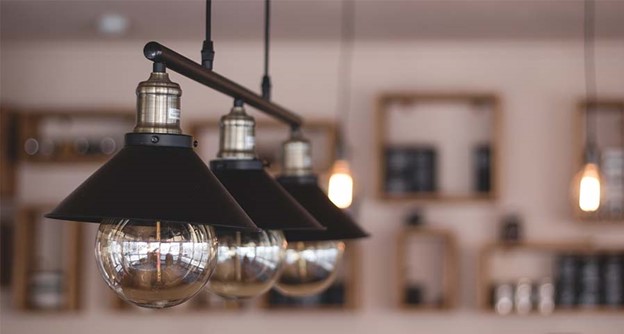
When retrofitting your LEDs, lightbulbs have various illuminance. Theres different ways to measure the lighting of…
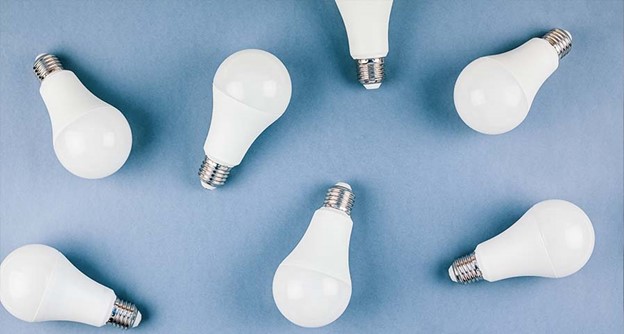
Understanding light measurements, luminance and foot-candle can help when choosing the perfect bulb for you next…

Exit signs and emergency lighting need to be in accordance with the NFPA, OSHA, and other…
When retrofitting your LEDs, lightbulbs have various illuminance. Theres different ways to measure the lighting of your next retrofit.
Understanding light measurements, luminance and foot-candle can help when choosing the perfect bulb for you next retrofit.
Exit signs and emergency lighting need to be in accordance with the NFPA, OSHA, and other state or local ordinances.