
Lighting Measurements – An In-depth Guide Part 1
When retrofitting your LEDs, lightbulbs have various illuminance. Theres different ways to measure the lighting of…

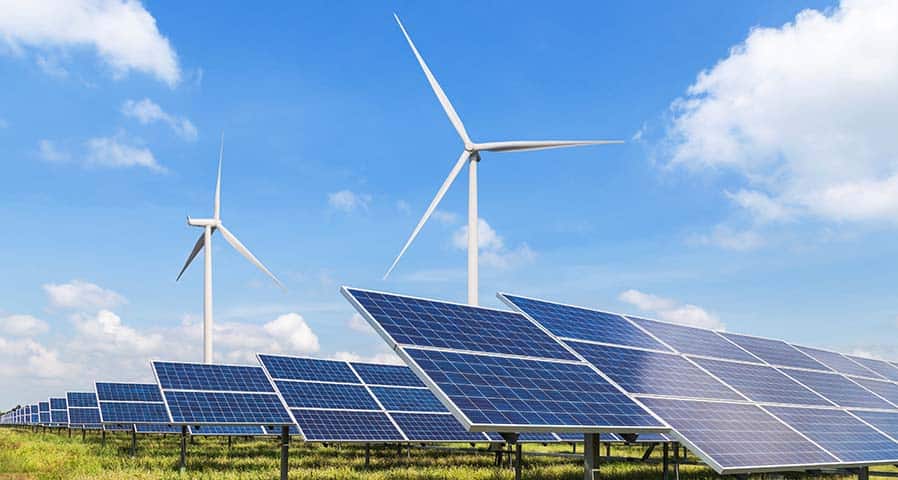
Renewable energy technologies have advanced rapidly, yet persistent myths still prevent many businesses from fully embracing their benefits. As of 2026, improvements in cost, reliability, and performance have made renewable energy a practical, scalable solution for commercial facilities.
What are the most common misconceptions about renewable energy for businesses, and what is the truth behind them?
The most common misconceptions for renewable energy revolve around cost, reliability, performance, and scalability in commercial environments. These myths often stem from outdated information or early-stage limitations that no longer apply.
Businesses evaluating renewable energy for operations today are working with far more advanced, financially viable, and resilient technologies than even a decade ago.
Renewable energy for businesses is often assumed to require high upfront costs, but modern financing, incentives, and declining equipment prices have significantly improved affordability.
While initial investment can be higher than traditional systems, long-term savings through reduced energy consumption and operational costs often deliver strong returns. Costs for solar and storage technologies have dropped rapidly in recent years, making adoption more accessible.
In addition, many utility companies, states, and municipalities offer rebates and incentive programs specifically designed to offset the cost of solar energy initiatives. These rebates can significantly reduce upfront expenses, shorten payback periods, and improve overall project ROI, especially for businesses operating across multiple locations.
When combined with battery storage, businesses can also reduce peak demand charges, further lower total energy costs and accelerating the financial benefits of clean energy adoption.
A common myth is that renewable energy cannot support consistent operations due to intermittency.
Renewable energy systems are no longer standalone solutions. Today, businesses use a combination of solar, battery storage, and distributed energy resources (DERs) to ensure consistent power availability.
These systems can:
Microgrids and energy management systems also allow facilities to operate more independently from the grid, improving resilience and uptime.
There is a misconception that renewable energy systems degrade quickly or fail before delivering value.
In reality, modern renewable technologies are built for longevity. Solar modules, for example, are designed to last over 20 years and often continue producing energy beyond their warranty periods.
Advancements in materials, manufacturing, and testing have significantly improved durability, making renewable systems a long-term asset rather than a short-term experiment.
Many businesses believe renewable energy is only effective in sunny or warm climates.
This is increasingly untrue. New technologies, such as bifacial solar panels, can generate energy from both direct sunlight and reflected light, improving performance in a wide range of environments.
As a result, renewable energy adoption has expanded across regions like the Midwest and Northeast, where performance was once considered limited.
Another concern is that widespread adoption of renewable energy will negatively impact grid stability.
In reality, renewable energy can strengthen grid performance when integrated correctly. Distributed energy resources and microgrids help balance supply and demand, reduce strain during peak usage, and improve overall system resilience.
In fact, these systems can:
These myths persist because many businesses rely on outdated information or on limitations of early-generation technology.
Renewable energy has evolved rapidly, but perception often lags behind innovation. Early concerns about cost, reliability, and scalability were valid at one time, but today’s systems are designed to overcome those exact challenges.
Additionally, the complexity of energy systems and incentive programs can make it difficult for organizations to fully understand their value without expert guidance fully.
Businesses should evaluate renewable energy based on current technology, not outdated assumptions.
A modern renewable energy strategy includes:
When approached strategically, renewable energy becomes not just a sustainability initiative but a financial and operational advantage.
What Does It Mean to Debunk Renewable Energy Myths?
Debunking renewable energy myths means replacing outdated assumptions with current data on cost, performance, and reliability to help businesses make informed decisions.
Is Renewable Energy a Good Investment for Businesses?
Yes, renewable energy for businesses can deliver a strong ROI through energy savings, incentives, and reduced maintenance costs over time.
Are Renewable Energy Systems Reliable Enough for Commercial Use?
Yes, when combined with storage and energy management systems, renewable energy solutions provide reliable, scalable power for commercial operations.
What Are the Biggest Misconceptions for Renewable Energy?
The biggest misconceptions about renewable energy include high costs, poor reliability, short lifespans, and limited geographic reach, all of which have been largely resolved by modern technology.
What Are Distributed Energy Resources (DERs)?
Distributed energy resources (DERs) are small-scale energy systems located at or near a facility that generate, store, or manage energy instead of relying solely on centralized power plants. They include technologies like solar, battery storage, and energy management systems, helping businesses improve reliability, reduce costs, and gain greater control over energy use.
What Are the Most Common Renewable Energy Options For Businesses?
The most common renewable energy options for businesses include solar power, wind energy, battery storage, and other distributed energy solutions that can be installed onsite or integrated with existing operations. These technologies help reduce energy costs, improve sustainability, and increase resilience when paired with energy management systems.
Renewable energy is no longer an emerging concept; it is a proven, scalable solution for modern businesses. By debunking renewable energy myths, organizations can move past outdated concerns and focus on real opportunities for cost savings, resilience, and sustainability. The businesses that adopt renewable energy today are not just reducing emissions; they are building smarter, more efficient operations for the future.
Click here to read the full article, originally published September 9, 2025, by Facilities Net.

When retrofitting your LEDs, lightbulbs have various illuminance. Theres different ways to measure the lighting of…

Understanding light measurements, luminance and foot-candle can help when choosing the perfect bulb for you next…

Exit signs and emergency lighting need to be in accordance with the NFPA, OSHA, and other…
When retrofitting your LEDs, lightbulbs have various illuminance. Theres different ways to measure the lighting of your next retrofit.
Understanding light measurements, luminance and foot-candle can help when choosing the perfect bulb for you next retrofit.
Exit signs and emergency lighting need to be in accordance with the NFPA, OSHA, and other state or local ordinances.