
Lighting Measurements – An In-depth Guide Part 1
When retrofitting your LEDs, lightbulbs have various illuminance. Theres different ways to measure the lighting of…


Hawai‘i has officially phased out many fluorescent lighting products. As of January 1, 2026, businesses across the state can no longer purchase many common fluorescent lamps due to the Hawai‘i Clean Lighting Standards Act, legislation designed to reduce mercury waste, improve energy efficiency, and support the state’s long-term clean energy goals.
For commercial facilities still operating fluorescent systems, the transition to LED lighting is now a business priority. Companies across Hawai‘i are navigating a post-ban market in which LED retrofits, smart lighting controls, and energy-efficient upgrades are becoming standard in offices, warehouses, schools, healthcare facilities, retail stores, and industrial buildings.
At the same time, Hawai‘i Energy continues offering commercial LED rebates to help businesses offset upgrade costs and improve long-term operational savings.
Hawai‘i’s fluorescent lighting ban is now directly impacting commercial facilities that still rely on fluorescent tube lighting systems. Businesses that delayed upgrades may face rising maintenance costs, reduced availability of fluorescent products, and fewer replacement options.
What should Hawai‘i businesses know about the fluorescent lighting ban now that it is in effect?
The Hawai‘i Clean Lighting Standards Act, also known as Act 225 (SLH 2023), was passed to phase out inefficient and mercury-containing fluorescent lighting products throughout the state. The legislation supports Hawai‘i’s broader initiative to achieve 100% renewable energy by 2045.
Under the law, Hawai‘i now prohibits the sale of:
The legislation defines linear fluorescent lamps as mercury-containing electric-discharge light sources, including single-pin, two-pin, and recessed double-contact fluorescent tubes.
Because fluorescent lighting was heavily used in commercial environments for decades, the ban significantly impacts office buildings, warehouses, manufacturing facilities, schools, and retail spaces.
The legislation focuses on both environmental protection and long-term energy savings.
Fluorescent lamps contain mercury, which creates disposal and contamination concerns when lamps break or enter landfills. LED lighting eliminates those mercury-related risks while dramatically improving energy efficiency.
According to Hawai‘i Energy, LEDs are up to 80% more energy-efficient than fluorescent lighting and can reduce lighting energy costs by up to 90% over time. LEDs also last three to five times longer than fluorescent lamps, helping businesses reduce replacement labor and maintenance expenses.
For businesses operating large lighting systems, those savings can significantly reduce annual operating costs.
Many Hawai‘i businesses are still transitioning away from older T8, T5, and compact fluorescent lighting systems. Since the sales ban took effect in 2026, replacing failed fluorescent lamps has become increasingly difficult and expensive.
Businesses that postponed upgrades may now face:
Organizations that proactively upgraded to LED systems are already benefiting from lower utility costs, improved lighting quality, longer fixture life, and reduced maintenance disruptions.
The transition is especially important for organizations managing multiple facilities or large commercial campuses where fluorescent systems are still widely installed.
To support the transition away from fluorescent lighting, Hawai‘i Energy continues offering several commercial LED rebate opportunities for businesses across the islands. Current rebate programs remain active through at least June 30, 2026, or until funding runs out.
One major shift in the 2026 rebate structure is that fluorescent replacement LEDs are no longer eligible for standard prescriptive rebates because fluorescent lighting has already been phased out under Hawai‘i law.
Instead, Hawai‘i Energy is prioritizing complete LED retrofits, smart lighting controls, and high-efficiency commercial lighting systems.
In March 2026, Hawai‘i Energy also expanded its Energy Advantage Program incentives to accelerate lighting upgrades for small businesses and nonprofits. The program doubled lighting retrofit incentives for qualifying organizations in Maui and Hawai‘i County and increased them by 50% in Honolulu. These enhanced rebates were designed to help businesses transition away from fluorescent systems faster while reducing upfront project costs.
| LED Upgrade Type | Example Incentive |
| LED Corn Cob HID Replacement Lamps | $25–$60 per lamp |
| LED Exit Signs | $20 per fixture |
| LED High Bay Fixtures | $0.18 per kWh saved + $100 per peak kW saved |
| Networked Lighting Controls (NLC) | $0.18 per kWh saved + $100 per peak kW saved |
| Luminaire-Level Lighting Controls (LLLC) | $0.18 per kWh saved + $100 per peak kW saved |
| Occupancy Sensors | $15 per sensor |
These incentives can be especially valuable for warehouses upgrading high bay fixtures, office buildings implementing smart lighting controls, and retail stores modernizing older fluorescent systems.
One of the biggest trends in Hawai‘i’s post-fluorescent market is the growing emphasis on advanced lighting controls and smart building technologies.
Current rebate programs include incentives for:
These technologies help businesses maximize energy savings by automatically adjusting lighting based on occupancy, scheduling, daylight harvesting, and operational demand.
For large commercial buildings, lighting controls can also improve energy monitoring, reduce peak demand usage, and support broader sustainability initiatives.
Is the fluorescent lighting ban already active in Hawai‘i?
Yes. Hawai‘i officially banned the sale of many fluorescent lamps beginning January 1, 2026.
What fluorescent lamps are banned in Hawai‘i?
The law bans the sale of many linear fluorescent lamps and pin-base compact fluorescent lamps commonly used in commercial buildings.
Are LED rebates still available in Hawai‘i for businesses?
Yes. Hawai‘i Energy continues to offer commercial LED rebates and lighting control incentives for qualified energy-efficient upgrades.
Are fluorescent replacement LEDs still eligible for rebates?
Not typically. Hawai‘i Energy states that fluorescent replacement LEDs are no longer eligible for prescriptive rebates because the state has already prohibited the sale of fluorescent lighting.
Conclusion
The Hawai‘i Clean Lighting Standards Act has officially reshaped commercial lighting across the state. Businesses still operating fluorescent systems are now working within a post-ban market where LED retrofits and advanced lighting controls are becoming the standard for energy-efficient commercial buildings.
Organizations that continue modernizing lighting systems can reduce operating costs, improve lighting quality, and position facilities for Hawai‘i’s evolving clean energy landscape.
Click here to read the full article, originally published January 27, 2025, by Hawai’i Energy.
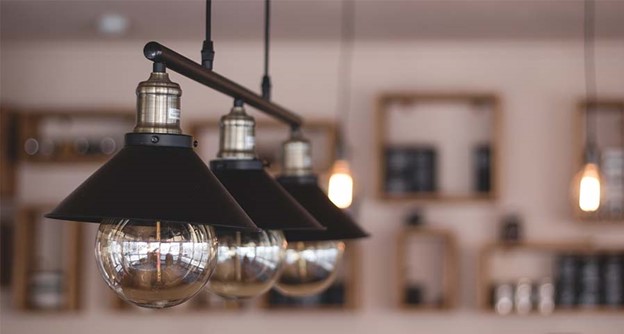
When retrofitting your LEDs, lightbulbs have various illuminance. Theres different ways to measure the lighting of…
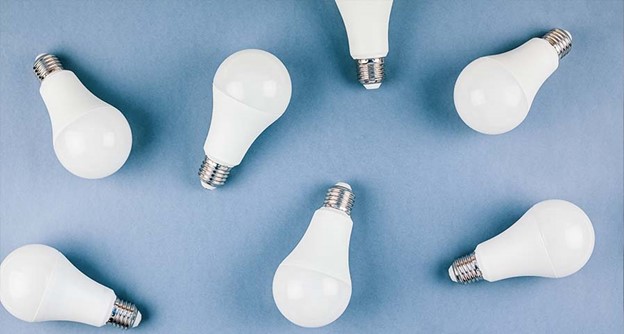
Understanding light measurements, luminance and foot-candle can help when choosing the perfect bulb for you next…
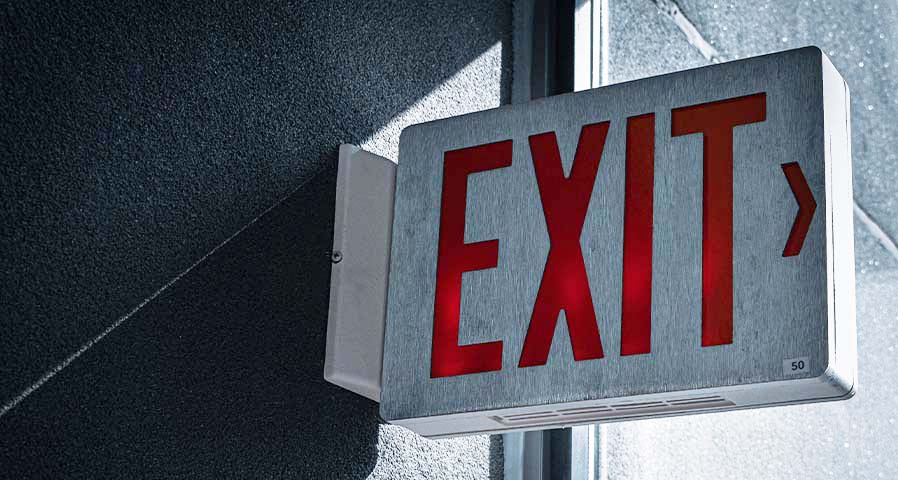
Exit signs and emergency lighting need to be in accordance with the NFPA, OSHA, and other…
When retrofitting your LEDs, lightbulbs have various illuminance. Theres different ways to measure the lighting of your next retrofit.
Understanding light measurements, luminance and foot-candle can help when choosing the perfect bulb for you next retrofit.
Exit signs and emergency lighting need to be in accordance with the NFPA, OSHA, and other state or local ordinances.