

Lighting Measurements – An In-depth Guide Part 1
When retrofitting your LEDs, lightbulbs have various illuminance. Theres different ways to measure the lighting of…

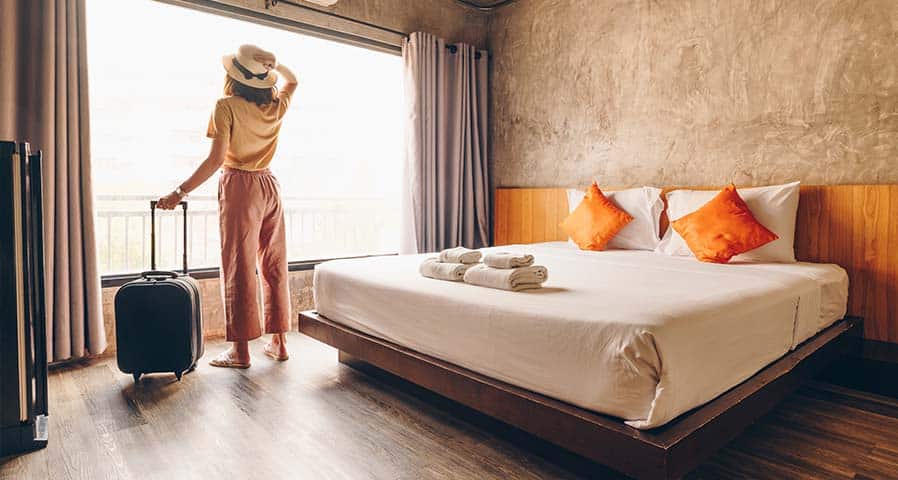
Guests may not notice every fixture in a hotel, but they immediately feel the effect of the lighting. A welcoming lobby creates anticipation, a comfortable guest room encourages relaxation, and an adaptable ballroom makes each event feel purposefully designed.
Effective hospitality lighting design connects the architecture and décor while supporting visual comfort, safety, and the hotel’s identity. When planned strategically, lighting becomes an important part of the service a property provides.
Successful hotel lighting design balances atmosphere with practical performance. It should guide guests naturally through the property while supporting each space’s purpose.
How does strategic lighting improve the hotel experience?
The goal of hospitality lighting is to enhance guests’ experience of the property. Even a technically compliant system can feel cold, confusing, or uncomfortable. Successful hospitality lighting should be seamlessly integrated into the architecture and décor while supporting comfort, safety, and atmosphere.
Hotels contain many types of spaces, each with a different purpose. Designers must address those individual needs while maintaining a consistent experience throughout the property.

The best lighting for a hotel combines comfort, functionality, visual quality, and adaptability. Rather than relying on a single fixture or light level, effective hospitality lighting design uses ambient, task, accent, and decorative lighting to support different activities and establish the right atmosphere.
Hotels should apply five core lighting practices:
The ideal settings will vary across the property. Guest rooms benefit from warmer light and personal controls, while reception desks, vanities, and meeting rooms require higher task-lighting levels. The following values provide practical starting points rather than universal requirements. Final hotel lighting solutions should reflect the room dimensions, surface finishes, fixture optics, brand standards, accessibility needs, and applicable codes.
| Hotel Area | Ideal Lighting |
| Entrance and lobby | Approximately 100–200 lux, or 10–20 foot-candles, at 2700K–3500K. Use warm, navigational lighting that highlights the architecture and creates a strong first impression. |
| Registration desk | Approximately 300–500 lux, or 30–50 foot-candles, on the work surface. Use CRI 90 or higher and sufficient vertical illumination to make employees’ faces appear clear and approachable. |
| Corridors | Approximately 50 lux, or 5 foot-candles, for safe passage and navigation. Use continuous uniform illumination while keeping emergency lighting and exit signs visible. |
| Guest-room entry | Approximately 100–150 lux, or 10–15 foot-candles, with immediate illumination for the pathway, closet, and storage areas. |
| Guest room | Approximately 100–200 lux, or 10–20 foot-candles, for ambient illumination at 2700K–3000K. Provide separately controlled task lighting for reading, working, dressing, and relaxing. |
| Bedside reading area | Approximately 300 lux, or 30 foot-candles, on the reading surface. Use focused, individually controlled lighting on both sides of the bed. |
| Guest-room desk | Approximately 300–500 lux, or 30–50 foot-candles, across the work surface. Control screen reflections and aim for UGR 19 or lower. |
| Bathroom vanity | Approximately 300–500 lux, or 30–50 foot-candles, measured vertically at the face. Use 3500K–4000K lighting with CRI 90 or higher to support grooming and accurate color appearance. |
| Meeting and conference rooms | Approximately 300–500 lux, or 30–50 foot-candles. Use dimmable lighting, CRI 90 or higher, and a target of UGR 19 or lower for prolonged visual tasks. |
| Halls and ballrooms | Approximately 100–300 lux, or 10–30 foot-candles, depending on the event. Use programmable scenes and dimming for dining, presentations, receptions, and entertainment. |
Luxury lighting feels intentional rather than excessive. It highlights architectural details, adds depth, and creates focal points without overwhelming the interior. Concealed lighting, decorative fixtures, and carefully positioned accents can make materials and finishes appear richer.
Consistency also signals quality. Fixtures with matching color characteristics and smooth dimming performance help the property feel polished and professionally designed.
Office lighting primarily supports sustained visibility and work. Hospitality lighting must accommodate a broader emotional and functional journey.
A guest might move from a welcoming lobby to a quiet corridor, enter a relaxing room, attend a presentation, and then visit a formal event within the same property. Each transition requires a different combination of illumination, color temperature, contrast, and visual interest.
Hotel lighting solutions must also offer more flexibility. A meeting space may need 500 lux for detailed work, a lower setting for a presentation, and a warmer scene for an evening reception.
Create Better Guest Experiences with Smarter Lighting
Learn how luminaire-level lighting controls can provide more precise control over your lighting environment, explore the benefits of a Next Gen LED strategy, and connect with our lighting experts to discuss opportunities across your hospitality properties.
👉 Read: The Ultimate Guide to Luminaire-Level Lighting Controls (LLLC) in Commercial Buildings
Lighting affects how easily guests can navigate and complete everyday activities. Insufficient illumination makes reading, working, dressing, and grooming more difficult, while glare, harsh shadows, and reflections can create visual strain.
Hotels can improve comfort by balancing ambient and task lighting, limiting reflected glare, and creating smooth transitions in brightness between adjoining spaces.
Yes. Lighting contributes to whether a property feels welcoming, easy to use, and thoughtfully designed. Guests are more likely to enjoy their stay when they can find their way easily, use the room comfortably, and adjust the environment without frustration.
Lighting can also reinforce the hotel’s identity. Warm, intimate illumination may suit a boutique property, while precise architectural lighting may support a modern luxury brand.
Lighting cannot guarantee positive reviews, but it can influence the experiences guests choose to mention. A well-lit property may earn praise for its atmosphere, attractive lobby, relaxing rooms, or functional bathrooms.
Hotel reviews can also reveal recurring lighting problems. Repeated comments about dark rooms, difficult controls, or poor bathroom visibility can help the property identify improvements that may strengthen future guest impressions.
How Can Hotels Use Natural Light Effectively?
Windows, skylights, and reflective surfaces can bring daylight deeper into a property and strengthen guests’ connection to the outdoors. Shades, glazing, and daylight-responsive controls can help manage heat, glare, and changes in brightness throughout the day.
Can a Hotel Upgrade Its Lighting Without a Full Renovation?
Yes. Hotels can complete upgrades in phases by replacing inefficient fixtures, adding task lighting, installing dimmers, correcting glare, and updating controls. A phased approach can improve the guest experience while limiting costs and disruption.
What Should Hotels Consider When Selecting Fixtures?
Hotels should evaluate fixture lifespan, durability, cleaning requirements, component accessibility, replacement availability, and compatibility with controls. Standardizing frequently used fixtures can also simplify inventory and maintenance.
How Can Hotels Test a Lighting Design Before Installing It Property-Wide?
A hotel can create a mock-up in a single guest room or a representative public area. Staff should test the proposed fixtures, controls, placement, and lighting scenes under real operating conditions before repeating the design throughout the property.
How Often Should Hotels Evaluate Their Lighting?
Hotels should review lighting during routine maintenance, after renovations, when a space changes function, or when guests report recurring problems. Evaluations should identify failed components, inadequate illumination, glare, difficult controls, and inconsistent fixture performance.
Strategic hospitality lighting helps guests feel welcome, comfortable, and confident throughout the property. By combining atmosphere with measurable performance targets, hotels can create functional environments and memorable experiences that last long after checkout.
Ready to improve your hotel lighting? Contact Action Services Group to explore customized hotel lighting solutions, LED upgrades, and lighting maintenance strategies for your property. Call 610-558-9773, email [email protected], or schedule a call that fits your needs by clicking the button below.
When retrofitting your LEDs, lightbulbs have various illuminance. Theres different ways to measure the lighting of…
Understanding light measurements, luminance and foot-candle can help when choosing the perfect bulb for you next…
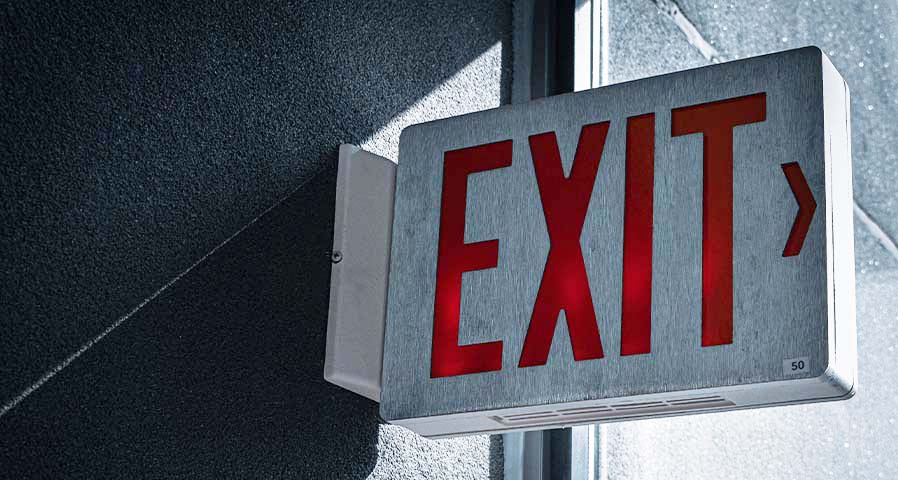
Exit signs and emergency lighting need to be in accordance with the NFPA, OSHA, and other…
When retrofitting your LEDs, lightbulbs have various illuminance. Theres different ways to measure the lighting of your next retrofit.
Understanding light measurements, luminance and foot-candle can help when choosing the perfect bulb for you next retrofit.
Exit signs and emergency lighting need to be in accordance with the NFPA, OSHA, and other state or local ordinances.