

Lighting Measurements – An In-depth Guide Part 1
When retrofitting your LEDs, lightbulbs have various illuminance. Theres different ways to measure the lighting of…

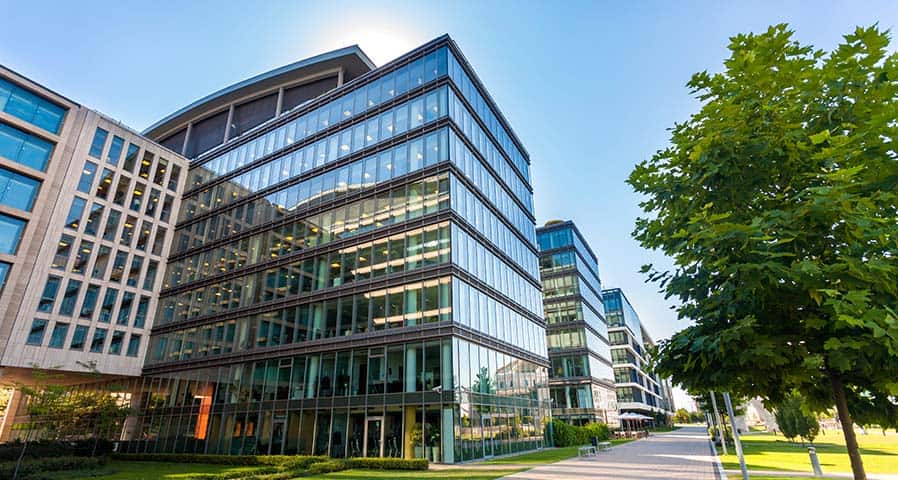
Commercial buildings are becoming increasingly intelligent, connected, and automated. According to 2026 market forecasts, the global smart building market is expected to reach approximately $175 billion, with commercial properties accounting for more than 60% of total market investment. As organizations look to reduce operating costs, improve sustainability performance, and enhance occupant experiences, smart building technologies are becoming a critical part of modern facility management.
Smart building technologies combine connected devices, automation, analytics, and building controls to improve operational performance. As energy costs rise and sustainability requirements become more stringent, commercial smart building technology is helping organizations reduce waste, improve occupant comfort, and maximize building efficiency.
What smart building systems are driving efficiency and performance in 2026?
Smart building technologies use connected devices, sensors, software platforms, and automation to optimize building operations. These systems continuously collect and analyze data from across a facility, allowing building systems to respond automatically to changing conditions.
For example, occupancy sensors can reduce lighting and HVAC usage in unoccupied areas, while air quality sensors can automatically adjust ventilation rates when indoor conditions change. By integrating multiple building systems into a single ecosystem, organizations can improve performance while reducing operational costs.
The business case is significant. According to the U.S. Environmental Protection Agency (EPA) and the U.S. Department of Energy (DOE), the average commercial building wastes approximately 30% of the energy it consumes. Smart building systems help identify and eliminate that waste through automation, analytics, and real-time optimization.
Several factors are accelerating the adoption of smart buildings across commercial facilities.
Rising energy costs continue to strain operating budgets, while hybrid work environments create unpredictable occupancy patterns, making traditional building management less effective. At the same time, organizations face increasing sustainability expectations from investors, regulators, customers, and employees.
Smart building systems address these challenges by providing actionable insights and automated controls that continuously optimize facility performance.
Key adoption drivers include:
Open communication protocols such as BACnet, Modbus, and MQTT (Message Queuing Telemetry Transport) have also accelerated adoption by allowing equipment from different manufacturers to communicate within a unified smart building platform.

Building Management Systems remain the foundation of most smart building deployments.
Modern BMS platforms provide centralized visibility and control across:
Unlike legacy building controls, modern BMS platforms leverage open protocols such as BACnet and Modbus, making it easier to integrate equipment from multiple vendors. Cloud-based architectures further improve visibility by allowing facility managers to monitor building performance remotely.
Many systems now incorporate AI-driven automation that supports predictive maintenance, dynamic equipment scheduling, fault detection, and energy optimization.
The Internet of Things serves as the data collection layer for smart buildings.
Thousands of connected sensors monitor:
Modern smart building deployments often rely on BACnet and MQTT-enabled devices that continuously transmit information across the building network.
This real-time data enables building systems to respond intelligently to changing conditions. For example, occupancy sensors can automatically reduce HVAC output in vacant areas, while daylight sensors can adjust lighting levels to maximize energy savings without impacting occupant comfort.
Smart buildings generate enormous amounts of data. Predictive analytics platforms transform that data into actionable intelligence.
By aggregating information from IoT devices, BMS platforms, and Energy Management Systems (EMS), analytics software can identify abnormal behavior, forecast equipment failures, and recommend operational improvements.
Digital twin technology has become particularly valuable in 2026. A digital twin creates a virtual model of a building, allowing facility teams to simulate operational changes before implementing them in the physical environment.
This capability helps organizations reduce downtime, improve maintenance planning, and optimize energy performance with less risk.
Continuing Your Smart Building Journey
Smart building technologies are transforming how facilities improve efficiency, reduce operating costs, and enhance occupant experience. One of the most impactful components of a smart building strategy is intelligent lighting control.
To learn more, read Smart Lighting Controls vs Traditional Lighting Systems: Key Differences Explained and discover how modern lighting controls support automation, energy savings, and data-driven facility management.
When you’re ready, schedule a call with our experts to discuss how smart building technologies can be applied to your facilities and help achieve your operational goals.
👉 Read: Smart Lighting Controls vs Traditional Lighting Systems: Key Differences Explained
👉 Schedule a Call with Our Experts
HVAC systems are among the largest energy expenses in commercial facilities.
According to the U.S. Energy Information Administration (EIA), heating, ventilation, and air conditioning account for approximately 40% of total commercial building energy consumption. Because HVAC systems consume such a large share of energy, optimization efforts often produce substantial financial returns.
The U.S. Department of Energy estimates that smart HVAC systems can reduce heating and cooling energy costs by 15% to 30% through improved controls and automation.
Key smart HVAC capabilities include:
These technologies improve both energy efficiency and occupant wellness while extending equipment life cycles.
Lighting remains one of the most accessible and impactful smart building upgrades.
Today’s intelligent lighting systems combine LED technology with advanced controls such as:
These systems automatically adjust lighting levels based on building conditions, reducing energy consumption while maintaining optimal visibility.
Many organizations are also adopting human-centric lighting strategies that align brightness and color temperature with natural circadian rhythms. These systems support occupant comfort, productivity, and workplace satisfaction while contributing to overall building efficiency.

The rise of hybrid work has made space utilization data increasingly valuable.
Smart building systems can collect information from occupancy sensors, desk reservation platforms, badge access systems, and meeting room booking tools to understand how spaces are actually being used.
Facility managers can use these insights to:
By aligning building operations with real-world occupancy patterns, organizations can improve efficiency while creating more flexible work environments.
Security in smart buildings extends beyond physical access control.
Modern systems integrate:
As building networks becomes more connected, cybersecurity has become equally important. Facility managers must protect operational technology (OT) networks from cyber threats that could disrupt building operations.
This has led to increased focus on cyber-physical security convergence, where cybersecurity and physical security teams collaborate to protect building infrastructure through a unified strategy.
Sustainability continues to be one of the strongest drivers of smart building investments.
Organizations increasingly rely on Energy Management Systems to monitor energy consumption, identify inefficiencies, and support carbon-reduction initiatives.
Common sustainability-focused smart building technologies include:
These technologies also support compliance with emerging sustainability frameworks and regulations, including:
As sustainability reporting becomes more rigorous, smart building systems provide the data and transparency organizations need to track performance and demonstrate compliance.
Build a Smarter, More Efficient Facility
The most successful smart building strategies combine intelligent controls with modern, high-performance lighting technologies. Together, these systems can improve energy efficiency, increase operational visibility, enhance occupant comfort, and support long-term sustainability goals.
Visit our Lighting Control Solutions page to learn how smart controls enable automation and data-driven decision-making, and explore our Next Gen LED Solutions to see how advanced LED technology can further improve performance and efficiency.
When you’re ready, schedule a call with our experts to discuss how these solutions can support your facility’s smart building objectives.
👉 Explore Lighting Control Solutions
👉 Learn About Next Gen LED Solutions
👉 Schedule a Call with Our Experts
What is a smart building?
A smart building uses connected technologies, sensors, software, and automation to optimize building operations, improve energy efficiency, and enhance occupant comfort.
What are the most important smart building technologies in 2026?
The most impactful technologies include Building Management Systems, IoT sensor networks, predictive analytics, smart HVAC systems, intelligent lighting controls, workplace intelligence platforms, and Energy Management Systems.
What communication protocols do smart buildings use?
Many smart building systems rely on BACnet/IP, Modbus, and MQTT to enable communication between HVAC equipment, lighting systems, sensors, meters, and building automation platforms.
How much energy can smart building systems save?
Savings vary by facility and technology deployment. However, smart HVAC systems alone can reduce heating and cooling energy costs by 15% to 30%, while comprehensive smart building strategies help reduce overall building energy waste.
Can existing buildings become smart buildings?
Yes. Most commercial facilities can implement smart building technologies through retrofit projects that add sensors, controls, analytics platforms, and building automation capabilities.
As commercial buildings become more connected, data-driven, and performance-focused, smart building technologies are emerging as one of the most impactful investments facility owners can make. With the global market approaching $175 billion in 2026 and commercial organizations driving most adoption, smart building systems have become a proven strategy for reducing costs, improving efficiency, supporting sustainability goals, and enhancing occupant experiences.
Organizations that invest in integrated smart building technologies today will be better positioned to meet future operational, environmental, and workplace demands while creating more resilient and efficient facilities.
If you’re exploring smart building upgrades, building automation solutions, or energy-saving technologies for your facility, Action Services Group can help design, implement, and maintain integrated systems that improve performance, reduce operating costs, and support long-term efficiency goals. Contact Action Services Group to learn how smart building technologies can transform your facility. To learn more, call 610-558-9773, email [email protected] or schedule a call.

When retrofitting your LEDs, lightbulbs have various illuminance. Theres different ways to measure the lighting of…

Understanding light measurements, luminance and foot-candle can help when choosing the perfect bulb for you next…

Exit signs and emergency lighting need to be in accordance with the NFPA, OSHA, and other…
When retrofitting your LEDs, lightbulbs have various illuminance. Theres different ways to measure the lighting of your next retrofit.
Understanding light measurements, luminance and foot-candle can help when choosing the perfect bulb for you next retrofit.
Exit signs and emergency lighting need to be in accordance with the NFPA, OSHA, and other state or local ordinances.