

Lighting Measurements – An In-depth Guide Part 1
When retrofitting your LEDs, lightbulbs have various illuminance. Theres different ways to measure the lighting of…

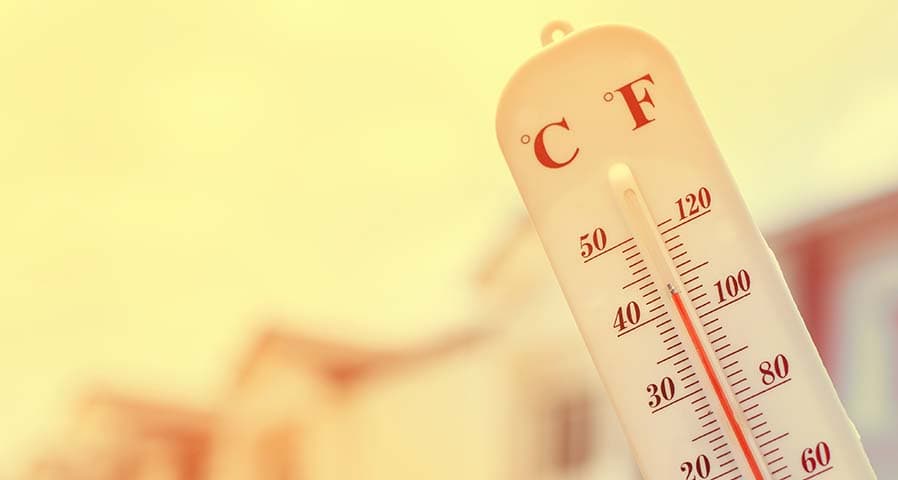
Temperature affects commercial lighting by changing how efficiently fixtures release heat and how their electrical and physical components perform. High ambient heat can reduce LED output and accelerate driver wear. Extreme cold can affect components that are not rated for low-temperature operation. Repeated temperature swings can stress connections, housings, and seals. These effects can lead to dimming, intermittent operation, more frequent repairs, or a shorter fixture lifespan.
Ambient temperature is the temperature of the air surrounding a fixture. It affects how readily the fixture can transfer internally generated heat to its surroundings. LEDs produce heat even though they emit less radiant heat than many traditional lamps.
An LED fixture moves heat away from its light-producing components through a thermal path that may include a circuit board, heat sink, and housing. Hot surrounding air or restricted airflow makes that process less effective. The temperature inside a fixture can therefore be much higher than a nearby thermostat reading suggests.
A warehouse ceiling, enclosed canopy, or space near industrial equipment may expose lighting to temperatures different from those in the occupied area below. Facility managers should evaluate conditions at the fixture, including its mounting position and enclosure.
Heat affects both the light an LED fixture produces and the components that keep it operating. These effects can appear at different times: output may change while the fixture is hot, while component wear develops over years of operation.

An LED operating at a higher temperature may produce less light. Sustained heat can also accelerate lumen depreciation, the gradual decline in light output as an LED ages. Color can shift as well, although the extent and direction vary by product.
The U.S. Department of Energy’s LED thermal management guidance distinguishes between short-term effects, such as reduced light output. At the same time, a fixture is hot, and long-term effects, such as faster lumen depreciation, can occur. Thermal design, operating hours, and drive current all influence the outcome. No single temperature causes every LED to begin dimming or failing.
A driver regulates the power supplied to the LEDs. Its electronic components have their own temperature limits, and sustained heat can shorten their service life. A driver fault may cause flickering, intermittent operation, or complete fixture failure even if the LED light sources remain usable.
Published ratings show why it is important to check the specific product. One commercial LED driver specification lists an ambient operating range up to 50°C (122°F), while a complete exterior luminaire specification lists a maximum of 40°C (104°F). These are examples of product ratings, not universal limits. The driver’s case temperature and its installed conditions may also affect expected life.
An LED’s projected lumen maintenance and the expected service life of the whole fixture are different measures. The Department of Energy’s LED luminaire lifetime guidance recommends considering components beyond the LEDs when evaluating reliability.
Build a More Resilient Lighting Strategy with Next Gen LED
Temperature can have a significant impact on commercial lighting performance, efficiency, and longevity, especially in facilities exposed to extreme or fluctuating conditions. Today’s LED technology and advanced lighting controls provide new opportunities to optimize lighting performance while improving efficiency, flexibility, and long-term operating costs.
Explore our Next Gen LED Solutions to see how modern LED technology and lighting controls can help you build a smarter, more adaptable lighting system, then connect with our lighting experts to discuss the needs of your facility.
LEDs can perform well in cold conditions, but the complete lighting system must be rated for the environment. The driver, wiring, seals, and other components matter as much as the LEDs themselves.
For example, published specifications include an LED driver rated down to −20°C (−4°F) and an exterior luminaire rated to operate down to −40°C (−40°F). Those figures illustrate how widely product ratings can differ; they do not establish a cold-start rating for all commercial LEDs. Check the exact fixture configuration and its stated operating range before specifying it for an unheated or exterior location.
Cold can also make some materials less flexible, which matters when installers handle fixtures or wiring during installation and maintenance. The practical question is whether the complete fixture is rated to start and operate at the lowest temperature expected on site.
As a fixture warms during operation and cools afterward, its materials expand and contract. Daily operation and seasonal changes repeat that cycle. Over time, movement can stress solder joints and other connections, particularly when components expand at different rates.
Temperature fluctuations can also affect materials around the electronics. Aging gaskets and seals may become less effective. Where moisture is present, damage to a housing or seal can create a path for water to reach internal components.
| Component | Temperature-related concern | What a facility team may notice |
| LED light source | Excess heat can reduce output and accelerate lumen depreciation. | Gradual dimming or uneven brightness |
| Driver | Heat can accelerate electronic component wear; operation outside its rated range can affect reliability. | Flickering, intermittent operation, or failure |
| Wiring and connections | Heat can age insulation, while repeated expansion and contraction can stress connections. | Damaged insulation or electrical faults found during inspection |
| Housing, lens, and seals | Temperature cycles can stress materials and compromise weakened seals. | Cracks, discoloration, or signs of moisture entry |
These are possible symptoms, not a diagnosis. A qualified lighting or electrical professional should investigate recurring faults.
Start by identifying the expected high and low temperatures at each installation location. For hot areas, account for nearby equipment, ceiling-level heat, enclosure, and airflow. For cold areas, check the complete fixture’s minimum operating temperature rather than relying on a general claim about LED performance.
Compare products using their published ambient operating ranges and installation instructions. Review driver specifications alongside the fixture rating, and avoid blocking surfaces designed to release heat. When comparing projected lifespans, remember that IES TM-21 projects long-term lumen maintenance of LED light sources using IES LM-80 test data. It does not, by itself, predict when a driver or seal will fail.
During maintenance, look for new flicker, declining brightness, damaged housings, blocked heat-dissipation surfaces, and signs of moisture—record where and when faults occur. A pattern concentrated in one area may help identify an installation condition that needs attention.
Can a fixture’s surroundings be hotter than the building’s thermostat setting?
Yes. Heat can collect near some ceilings and equipment, and an enclosure can restrict airflow around a fixture. Assess conditions at the mounting location when temperature is a concern.
Does an LED fixture need to feel hot to have a heat problem?
No. Surface temperature alone does not reveal the operating temperature of its LEDs or driver. Product specifications and an assessment of the installed fixture provide a better basis for evaluation.
Should every fixture in a building have the same temperature rating?
No. A conditioned office, unheated warehouse, and exterior canopy may have different operating conditions. Specify fixtures for each location’s expected temperature range.
When should a facility investigate repeated driver failures?
Investigate when failures recur in the same area or fixture type. The pattern may point to excess heat, an unsuitable product rating, installation conditions, or another electrical issue that requires diagnosis.
Temperature affects more than the LED light source. Drivers, connections, wiring, housings, and seals all contribute to fixture reliability. Selecting products for the conditions at each installation point, then tracking signs of wear, can help facilities maintain light levels and reduce avoidable failures.
Action Services Group can help evaluate existing lighting conditions and plan upgrades suited to your facility’s operating environment. Contact by calling 610-558-9773, emailing [email protected], or schedule a call that fits your needs by clicking the button below.
When retrofitting your LEDs, lightbulbs have various illuminance. Theres different ways to measure the lighting of…
Understanding light measurements, luminance and foot-candle can help when choosing the perfect bulb for you next…
Exit signs and emergency lighting need to be in accordance with the NFPA, OSHA, and other…
When retrofitting your LEDs, lightbulbs have various illuminance. Theres different ways to measure the lighting of your next retrofit.
Understanding light measurements, luminance and foot-candle can help when choosing the perfect bulb for you next retrofit.
Exit signs and emergency lighting need to be in accordance with the NFPA, OSHA, and other state or local ordinances.